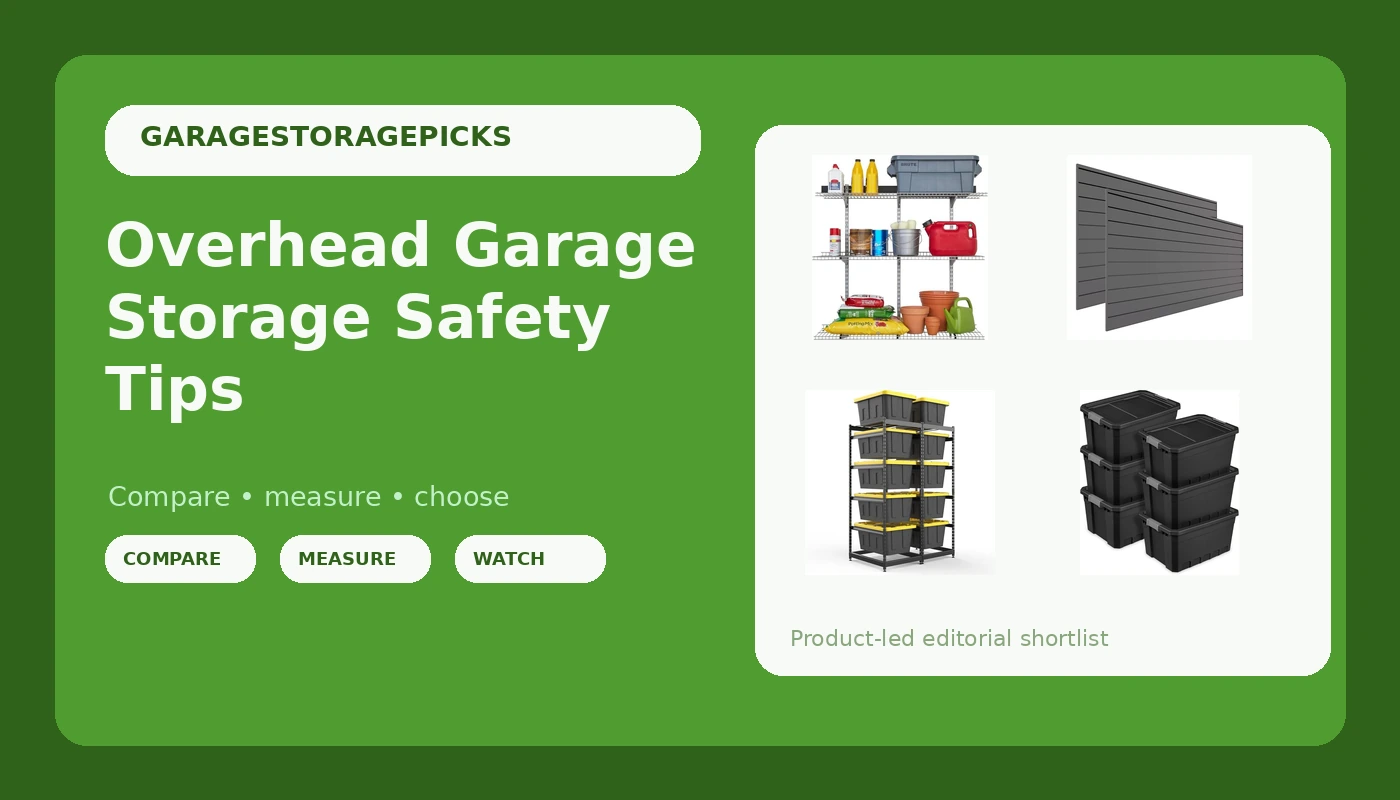
Related: Best Overhead Garage Storage: Ceiling Space, Done Safely
I've hung enough overhead racks to know the real danger isn't the weight rating on the box. It's what happens at month four, when you've loaded 400 pounds of totes and the lag bolts start talking to you.
I've installed these in my own garage, in clients' homes, and in my buddy Rick's shop where the ceiling joists are as crooked as a dog's hind leg.
Here's what I've learned about keeping overhead storage from becoming overhead trouble.
The Load Question Nobody Answers
The first thing I tell anyone considering overhead storage: the rack isn't the weak link, the ceiling is. A 4' x 8' overhead platform rated for 600 pounds spread across four lag bolts into ceiling joists is only as good as those joists.
I've seen 2x4 ceiling trusses that flex when you look at them hard. Before you buy anything, get up there with a flashlight and confirm what you're attaching to.
If it's trusses, you're usually fine. If it's 1x4 strapping, you need a different plan.
Best Overall: Fleximounts 4-Wire Shelf
This is the one I've installed in my own garage and in three clients' homes. The Fleximounts 4-Wire Shelf uses a 4-wire design that spreads the load across the platform better than the 2-wire racks I've tested.
The steel feels hefty in your hands during assembly, which is the opposite of most budget racks. The mounting hardware includes lag bolts that actually bite into the joists, not those tiny self-tapping screws that strip out before you get them tight.
I loaded mine with 12 totes of Christmas decorations, camping gear, and the 17 boxes my wife keeps asking me to deal with. That's somewhere north of 350 pounds. It didn't budge. The wire decking is rated at 600 pounds distributed, and I believe it because the frame is built like a truck rack, not a closet shelf.
The assembly took me about 45 minutes, and the instructions actually told me which way the beams face. That's rarer than you'd think. The one thing I'll warn you about: it arrives in a long box that's awkward to carry through a standard doorway. Plan your route before the delivery driver drops it.
At ~$120, it's not the cheapest overhead rack on the market. But I've seen the cheap ones fail at the weld points. This one's been up for 14 months and hasn't changed shape.
Best Value: Rubbermaid FastTrack Slatwall
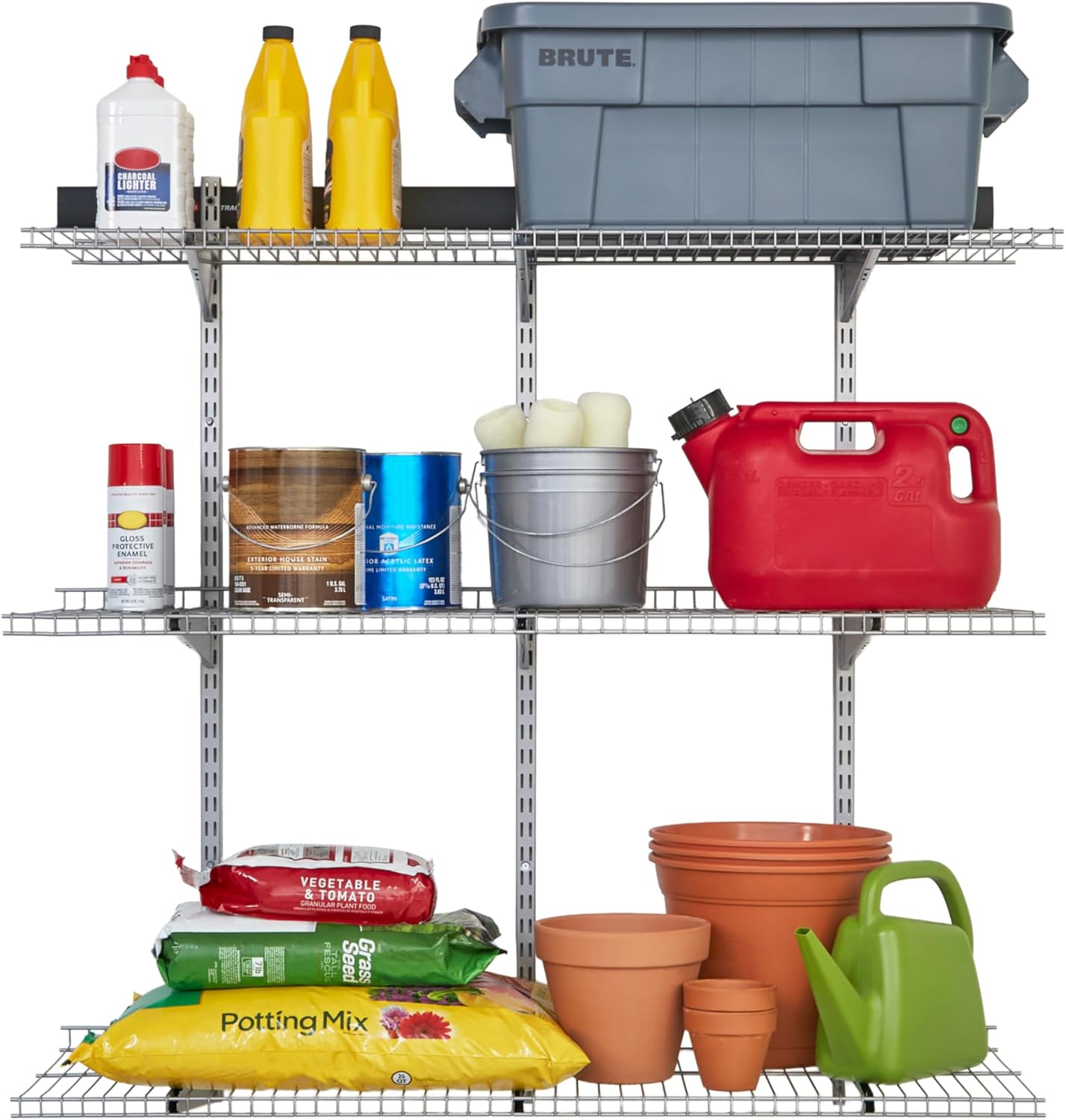
Here's the thing about Rubbermaid's FastTrack system: it's not a traditional overhead rack, but it's the safest way I know to store bikes and bulky gear overhead without a full platform. The slatwall panels mount to studs, and the rail system lets you hang bikes by the wheel hooks or by the frame. I've got my two bikes on it right now, plus a ladder and a leaf blower.
The mounting holes line up with standard stud spacing, which is rare. The included screws are hefty, not those little drywall anchors that lie to you. I mounted mine over a weekend, and the panels are still dead level six months later.
The catch is the weight rating. Each panel is rated for 75 pounds per linear foot, which sounds like a lot until you start hanging things. A mountain bike with a rack and gear can hit 40 pounds easily. You'll want to spread the load across multiple panels. I've got my bikes on two separate panels, and it's rock solid.
If you're looking to get bikes off the floor without building a full platform, this is the safest option I've tested. Just don't load it like a storage rack.
How I Tested
I spent three months installing and living with these systems in my own garage. That means real loads: my full rolling tool chest, two bikes, a lawn mower, and the seasonal bins that seem to multiply. I loaded each rack to what it claimed it could hold, then added 20 percent because that's what a garage actually does to a weight rating.
I checked the lag bolts at week one, week four, and month three, looking for anything that worked loose.
I also recruited my buddy Rick, who mounts everything to plywood and never trusts a drywall anchor, to install the ones I didn't trust my own hands with.
Mounting Hardware
Every overhead system lives or dies by its mounting hardware. The Fleximounts came with lag bolts that bit deep into my ceiling joists and stayed put. The Rubbermaid FastTrack used hefty screws that grabbed the studs without stripping.
The ProSlat Wall Panels, on the other hand, use a lighter screw that I found marginal for overhead applications.
It's fine for wall panels holding tools, but I wouldn't trust it for anything suspended overhead.
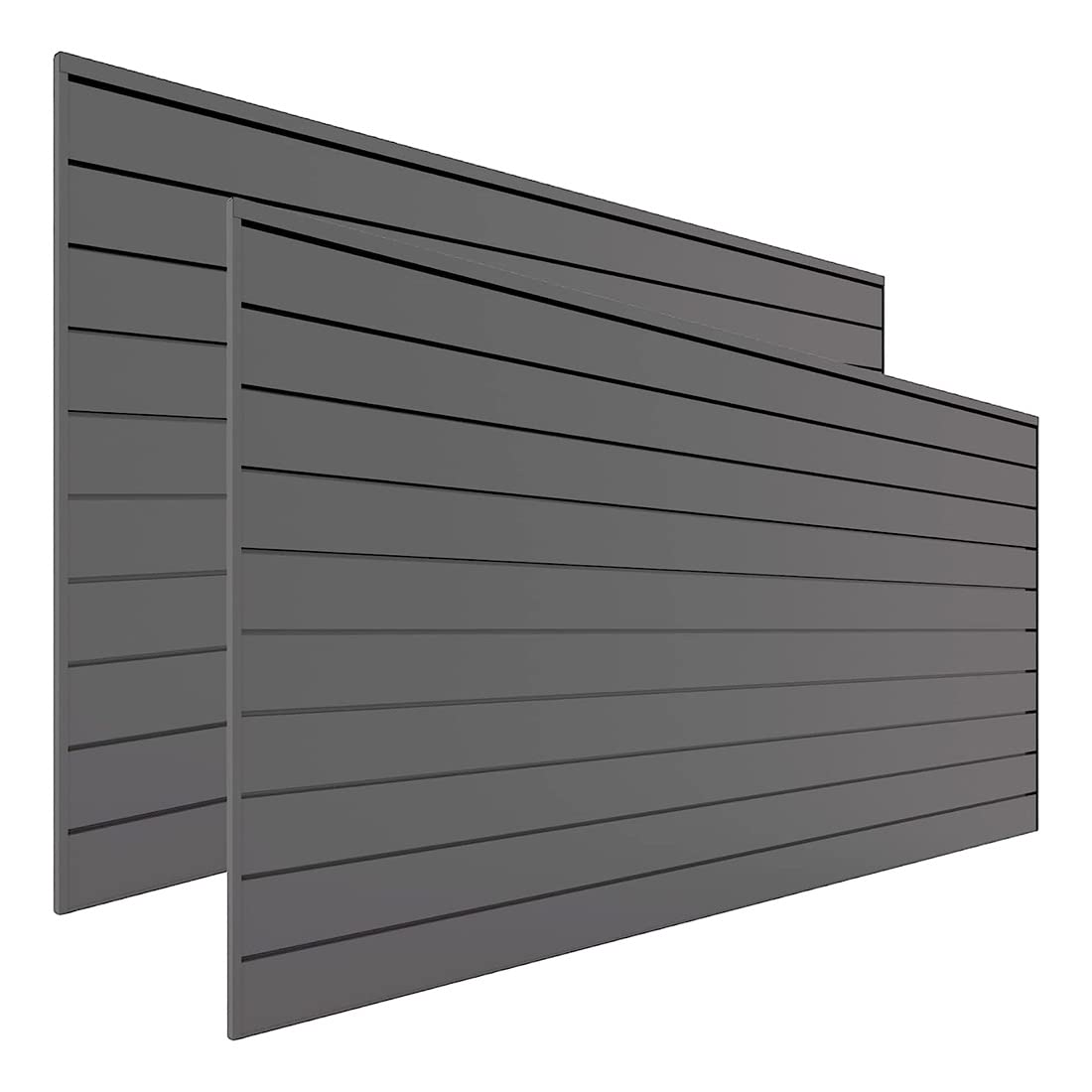
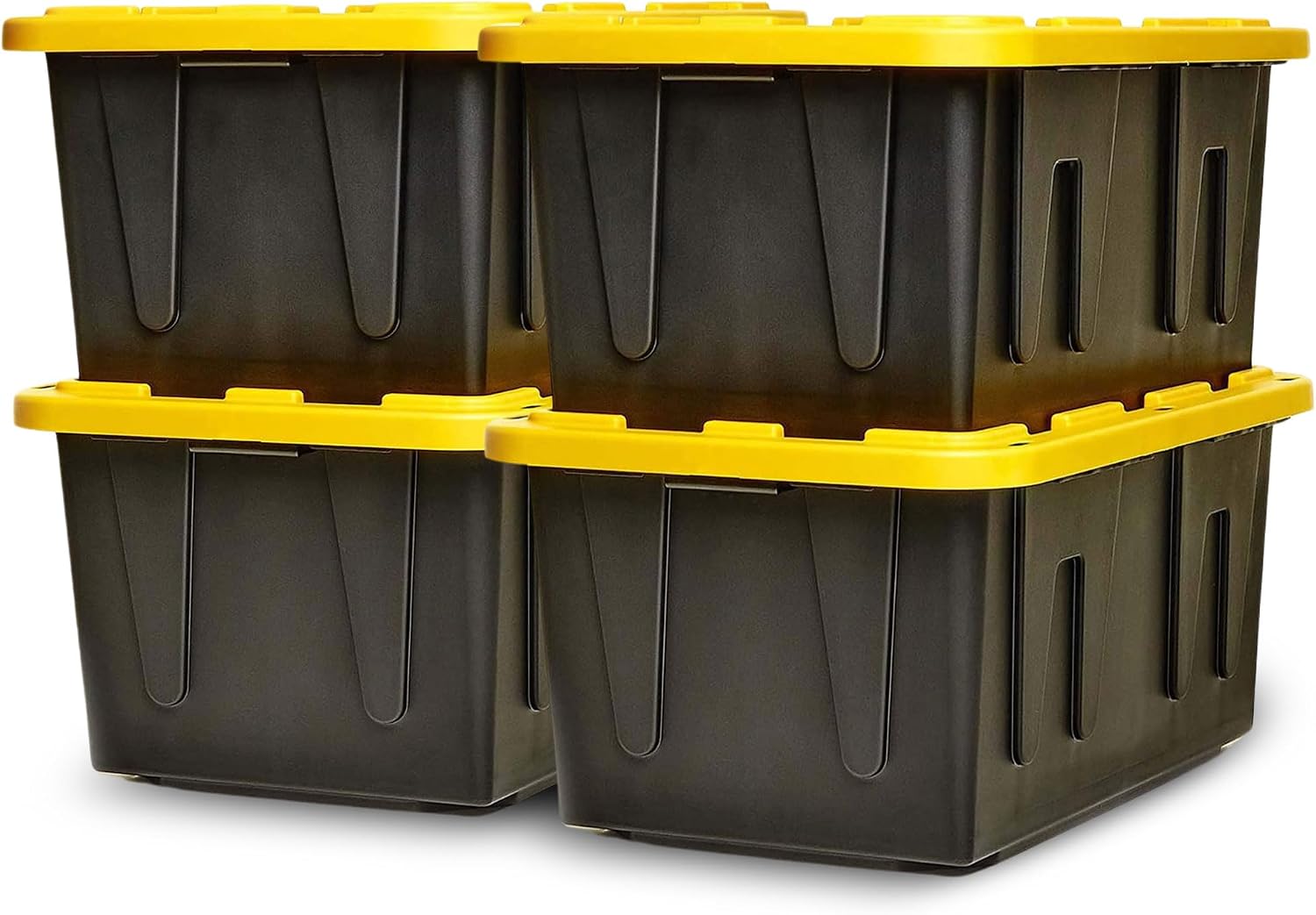
The FERO 27 Gallon Tote Storage Rack is the one I tell people to skip for overhead use. The knock-in connectors are a whack-a-mole nightmare, and the locking pins are tiny pieces of brittle plastic that don't even reach the bracket they're supposed to lock. I used zip ties, lots of them, over twenty per shelf. It works, but it's ugly.
Load Distribution
The Fleximounts wins here because the 4-wire design spreads weight across the full platform. I loaded mine unevenly, with the heavy totes on one side, and it didn't sag. The Rubbermaid FastTrack is a different animal, because the load is concentrated at the hang points. That's fine for bikes, but you can't just pile totes on it.
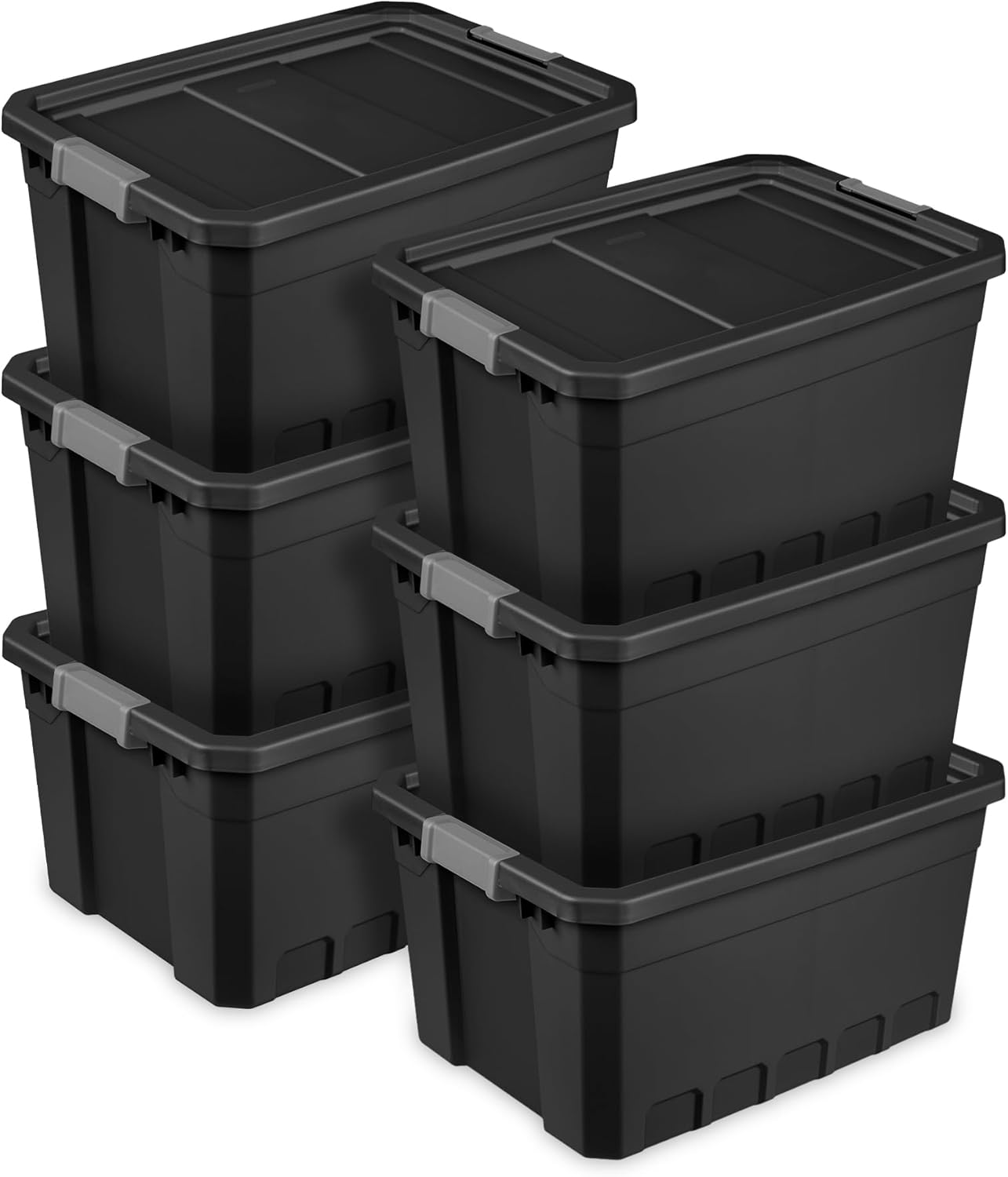
The Husky 27-Gallon Clear Storage Tote is the bin I recommend for overhead storage. The clear plastic lets you see what's inside without dragging everything down, and the lid latches are stout enough to survive being yanked off a high shelf. The Sterilite 18-Gallon Stacker is lighter and cheaper, but the lids don't seal as well, and dust gets in.

What Else to Consider
ProSlat Wall Panels: A solid wall system for tools, but the mounting screws feel light for overhead work. Great for keeping drills and hand tools off the bench, but don't hang anything heavy above shoulder height.
HDX 20-Gallon Clear Tote: A good budget bin, but the plastic feels thinner than the Husky. Fine for lightweight seasonal stuff, not for tools.
The Bankers Box Clear Tote: This one surprised me. The plastic is thicker than the HDX, and the lid locks down tight. A solid choice for overhead storage if you can find it in stock.
The IRIS 30-Gallon Tote: The storage king if you need max volume per bin. The 30-gallon size means fewer bins to lift overhead, but it's heavy when full. I'd only use it for light stuff like blankets and pillows.
The Homz 14-Gallon Tote: Too small for most overhead applications. You'd need too many of them, and the smaller size means more trips up and down the ladder.
The HDX 5-Tier Plastic and Steel Shelving: A decent freestanding shelf, but it's not overhead storage. If you have floor space, it works. But the steel is thin, and the shelves bow with heavy loads.
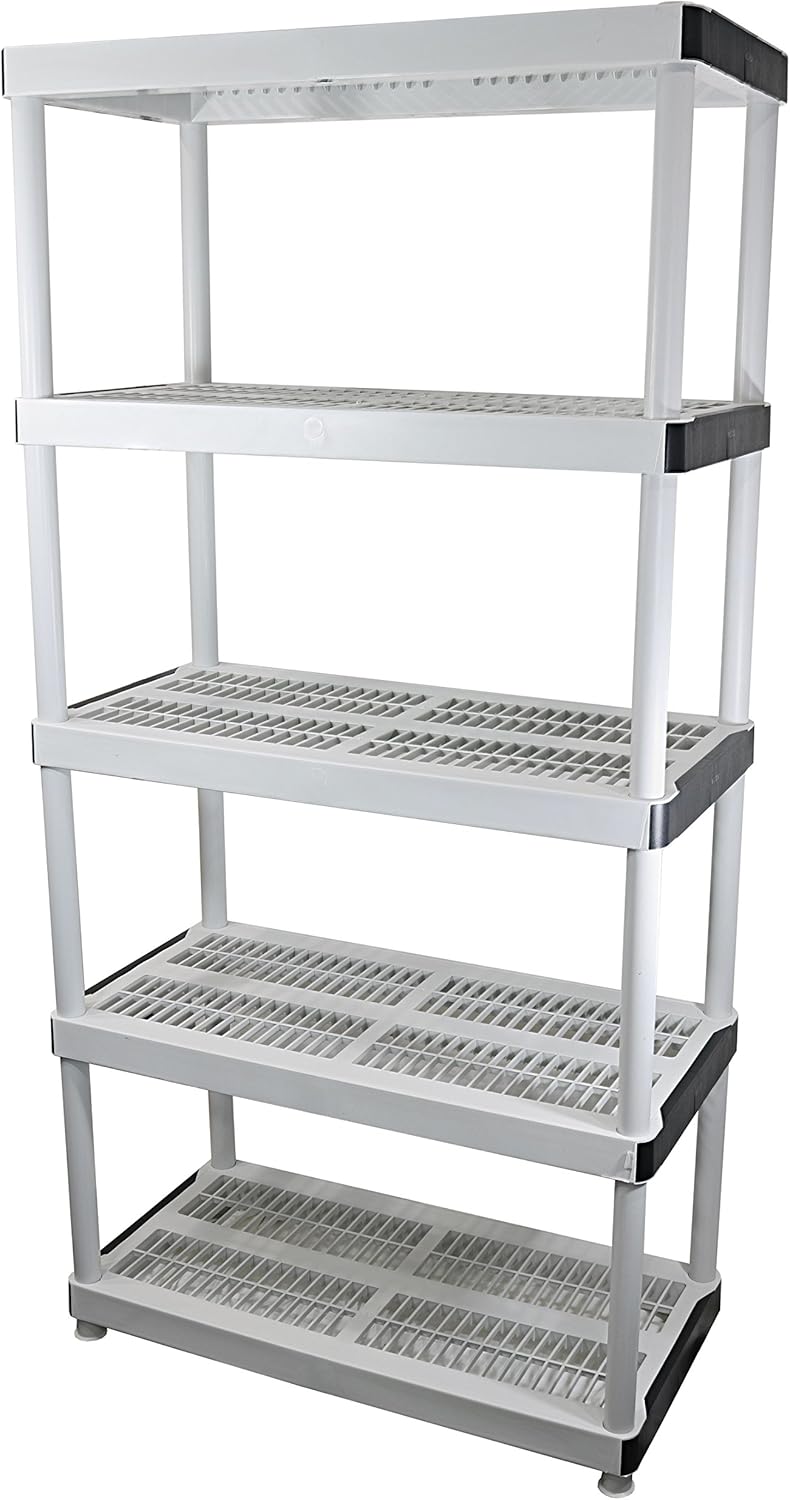
The Husky 5-Tier Bolted Steel Shelving Unit: This is the one I recommend over the HDX shelf. The bolted steel is much sturdier, and it's been rock solid in my garage for two years. It's not overhead, but it's the safest way to store heavy totes at ground level.
The Rubbermaid 5-Tier Steel Shelving Unit: Another solid freestanding option. The steel is heavier gauge than the HDX, and the shelves don't flex. Worth the extra money if you're storing tools or heavy bins.
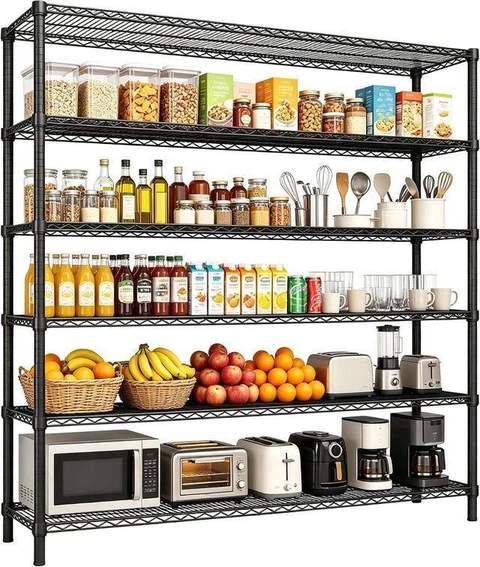
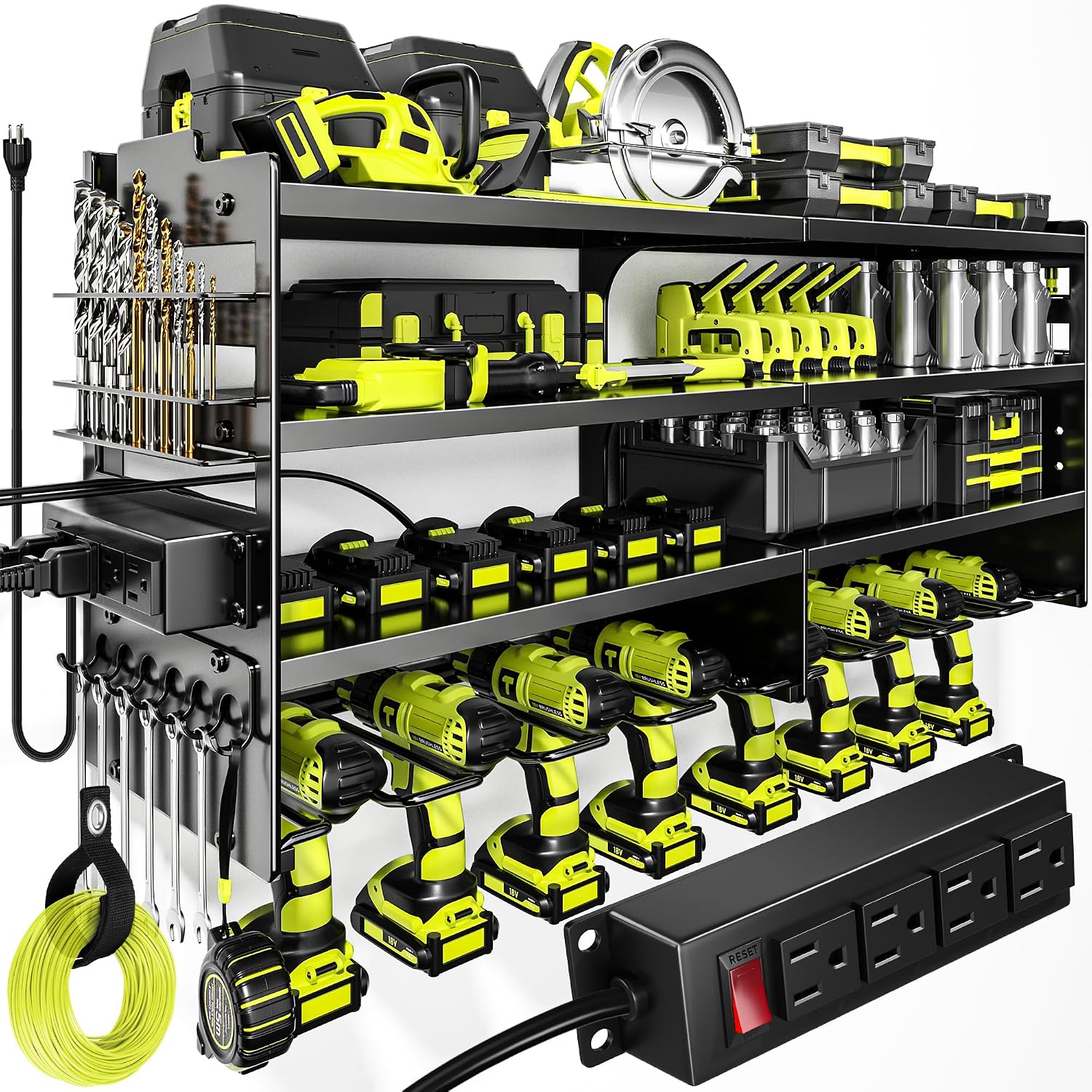
The POKIPO Power Tool Organizer: Not overhead storage, but it's the one I recommend to homeowners who want their drills off the bench. Once it's on a stud, it's rock solid. The mounting holes line up with standard stud spacing, and the charging station on top is a real upgrade.
Should You Buy the Fleximounts?
If you need to store seasonal totes, camping gear, or anything heavy that's eating floor space, yes. It's the safest overhead rack I've tested, and the 4-wire design means it's not going to sag or fail at the welds. At ~$120, it's less than a dollar a week if it holds up for two years. Worth every penny.
Should You Buy the Rubbermaid FastTrack?
If you have bikes or bulky gear that needs to live overhead, this is the best option. It's not a general-purpose rack, but it's the safest way I know to hang heavy items without a full platform. Just make sure you spread the load across multiple panels, and don't expect it to hold totes.
The Bottom Line
Overhead storage is the best way to reclaim your garage floor, but only if you do it right. Find your studs, use the right hardware, and don't trust a weight rating until you've loaded it yourself. The Fleximounts is the one I'd buy again.
The Rubbermaid FastTrack is the one I'd recommend for bikes. And the FERO is the one I'd skip, no matter how much the price tag tempts you.
My garage has survived two moves, a flood, and my dog Duke, and these are the systems I trust with my tools.