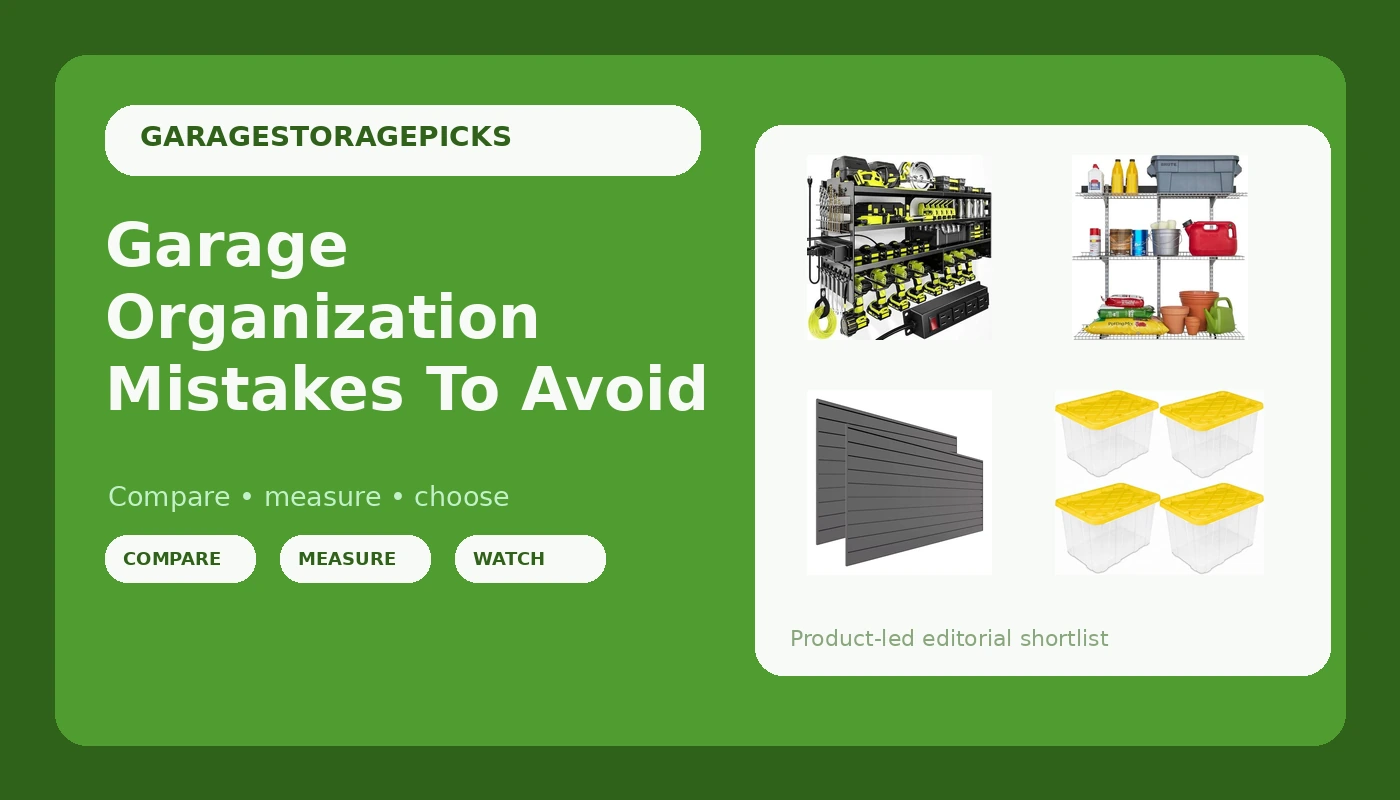
Garage Organization Mistakes To Avoid
I've been organizing garages for twenty years, and I've seen the same mistakes ruin otherwise decent setups. The worst part is, most of these are easy to avoid if you know what to look for. This isn't a list of what to buy. This is a list of what not to do, learned the hard way, with my own money and my own wall space.
Mistake #1: Trusting the Weight Rating on the Box
The box lies. The bracket doesn't. I've tested racks that claim 600 pounds and watched them sway with a third of that. I've also seen cheap-looking organizers hold up a full tool chest because the engineering was sound.
The number printed on the packaging is a marketing figure, not a promise. What matters is the gauge of the steel and the size of the screws.
If the metal feels thin in your hands, it'll feel worse under load. If the included hardware is tiny plastic pins, you're in for a bad afternoon.
Mistake #2: Ignoring Stud Spacing
Sixteen-inch on-center is a suggestion, not a promise. I've mounted racks in a hundred garages, and I can tell you the holes rarely line up perfectly. The fix is simple. Buy a backer board, a piece of 3/4" plywood, and mount that to the studs first.
Then mount your organizer to the plywood. It takes an extra twenty minutes and saves you a lifetime of frustration.
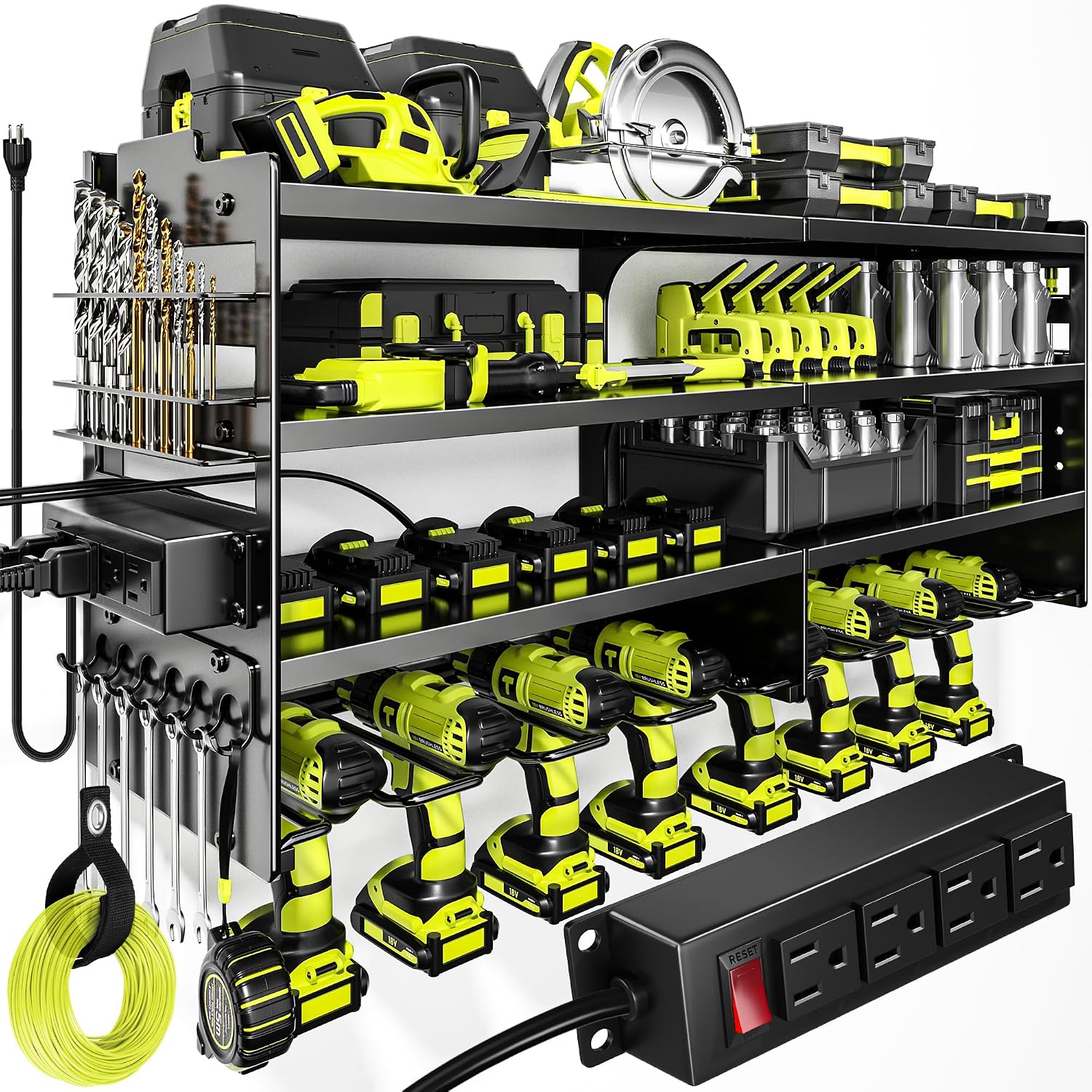
I've got a POKIPO Large Power Tool Organizer mounted this way in my own garage, and it's been rock solid for six months.
The mounting holes on that unit line up with standard stud spacing, which is rarer than you'd think, but my studs are weird.
The backer board fixed that.
Mistake #3: Buying a Static System When You Need a Reconfigurable One
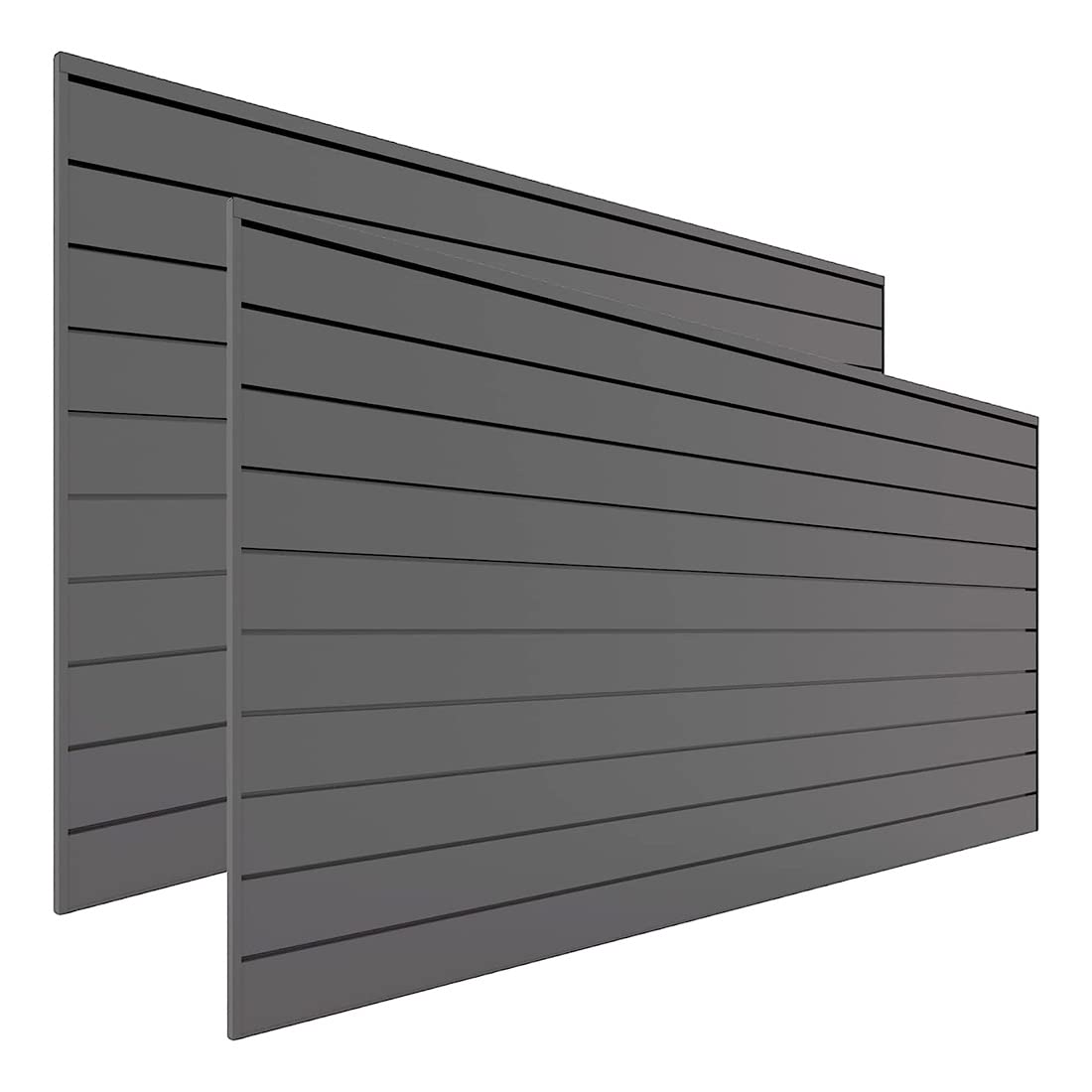
A shelf you can't move is just a shelf. If you're going to hang a wall system, make sure you can rearrange the hooks and bins as your needs change. The ProSlat Wall Panels and the Rubbermaid FastTrack Slatwall both let you move accessories around without re-drilling holes.
That flexibility is worth the extra cost. I've seen guys bolt a fixed shelf to the wall, then realize they need the space for something taller a month later.
Now they've got a hole pattern to patch and a shelf to relocate.
Mistake #4: Choosing the Wrong Tote
Not all totes are created equal. I've got a stack of CLMSTE 27-Gallon Clear Storage Totes that have survived two moves and a flood. The clear plastic means I can see what's inside without pulling everything off the shelf.
The Sterilite 18-Gallon Stackers are fine for lightweight stuff, but they're not built for heavy loads.
The 20-gallon blue storage bins are a solid middle ground. The Bankers Box Clear Totes are cheaper, and you can feel it.
The plastic is thinner, and the lids don't seal as well.
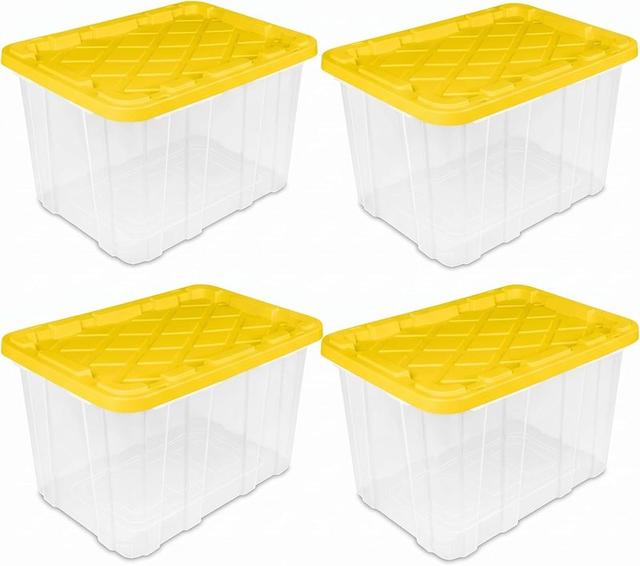
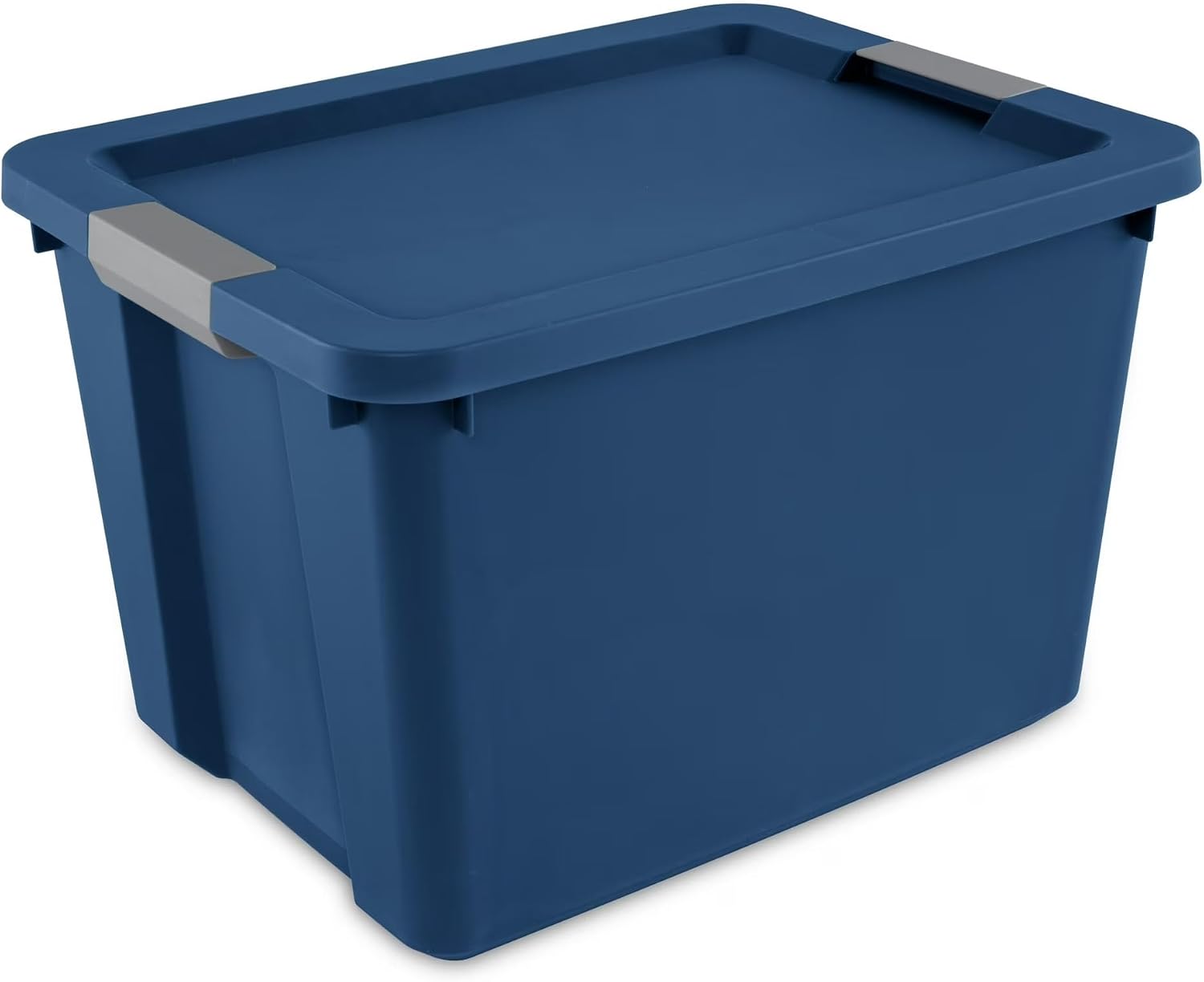

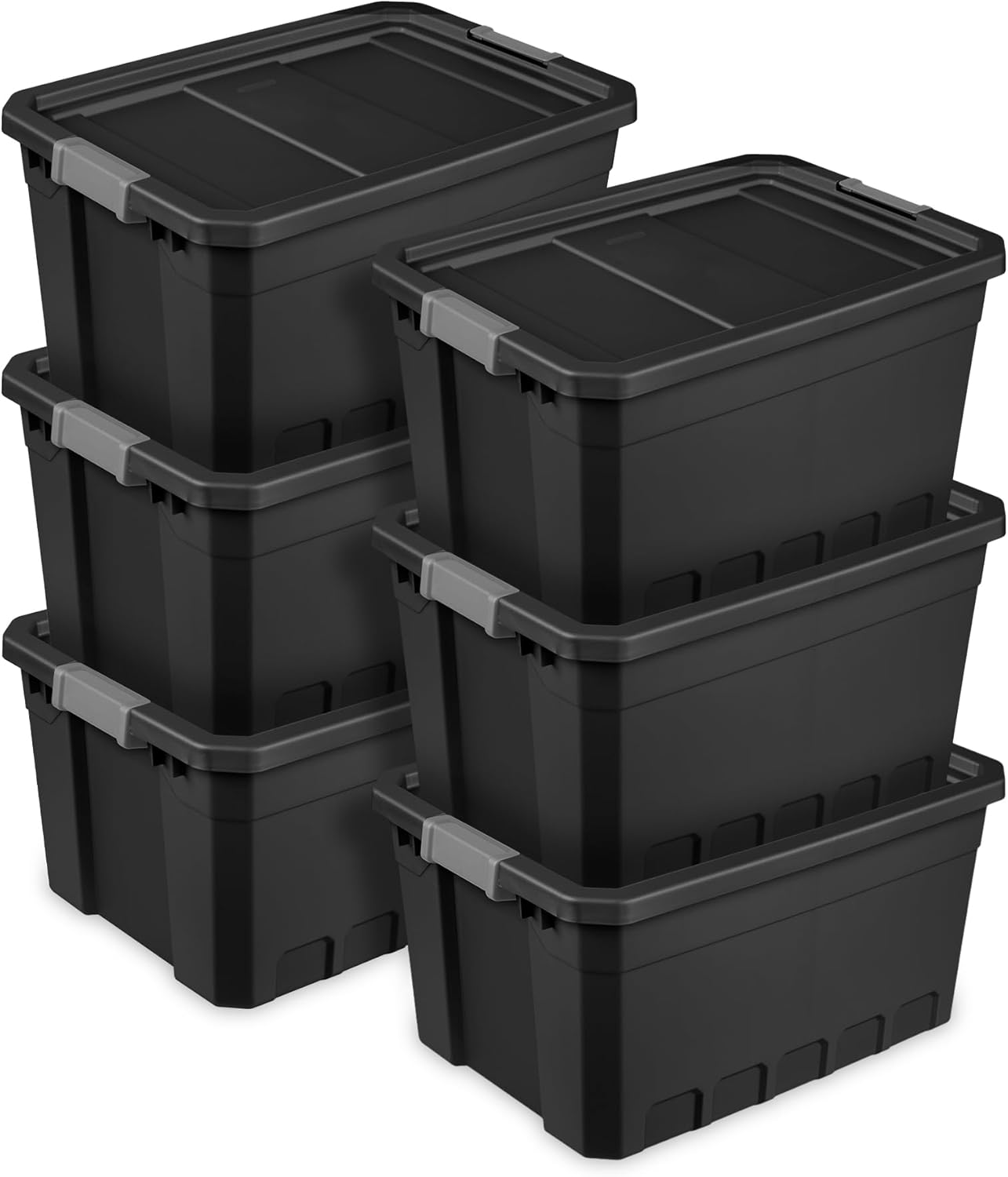
Here's the thing about tote sizes. The IRIS 30-Gallon Tote is big, but it's heavy when full. You'll need a rack that can handle the weight. The Homz 14-Gallon Tote is a better size for most people. It's manageable, and you can stack more of them in the same footprint.

Mistake #5: Buying Shelf Units That Sway
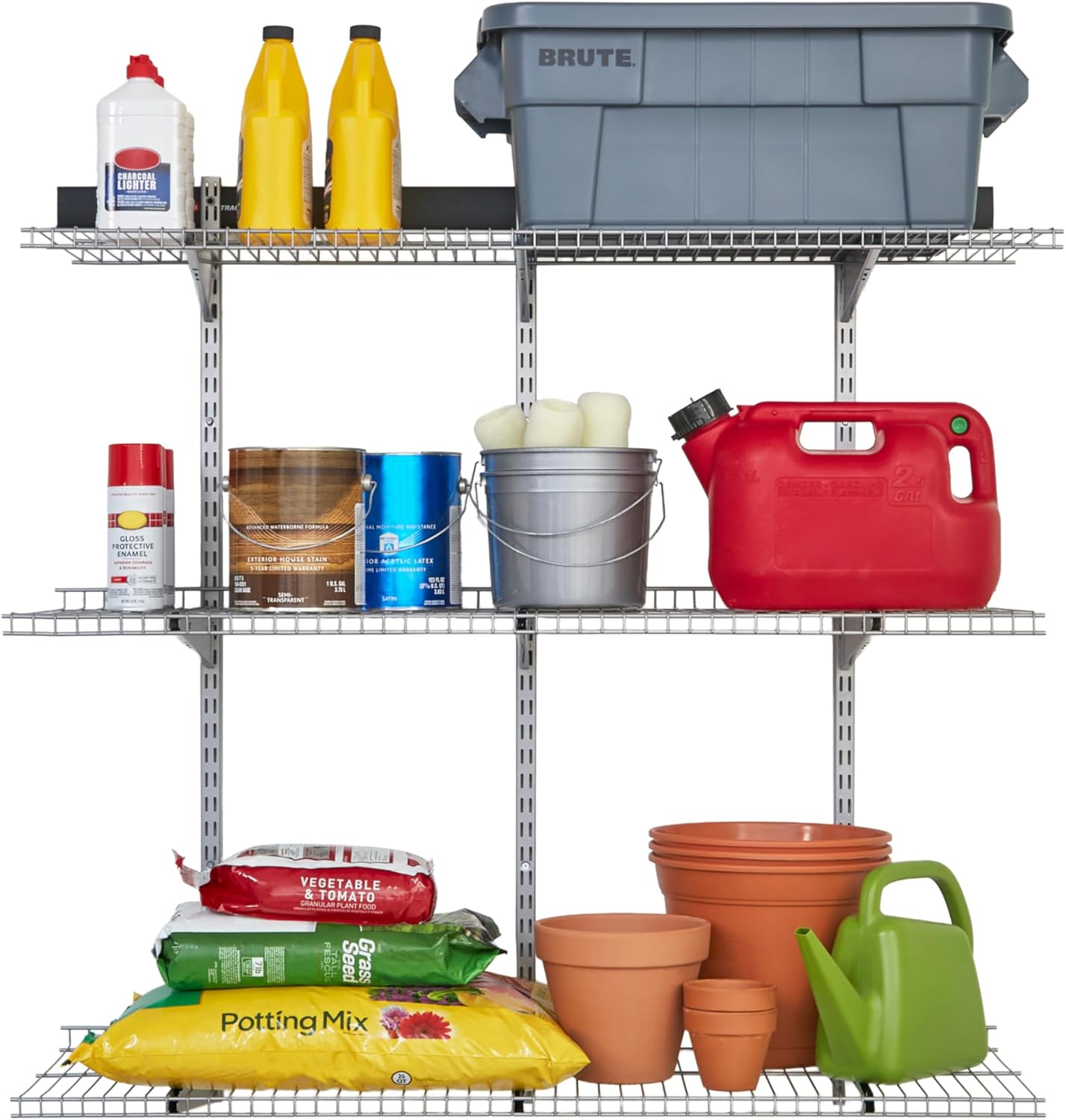
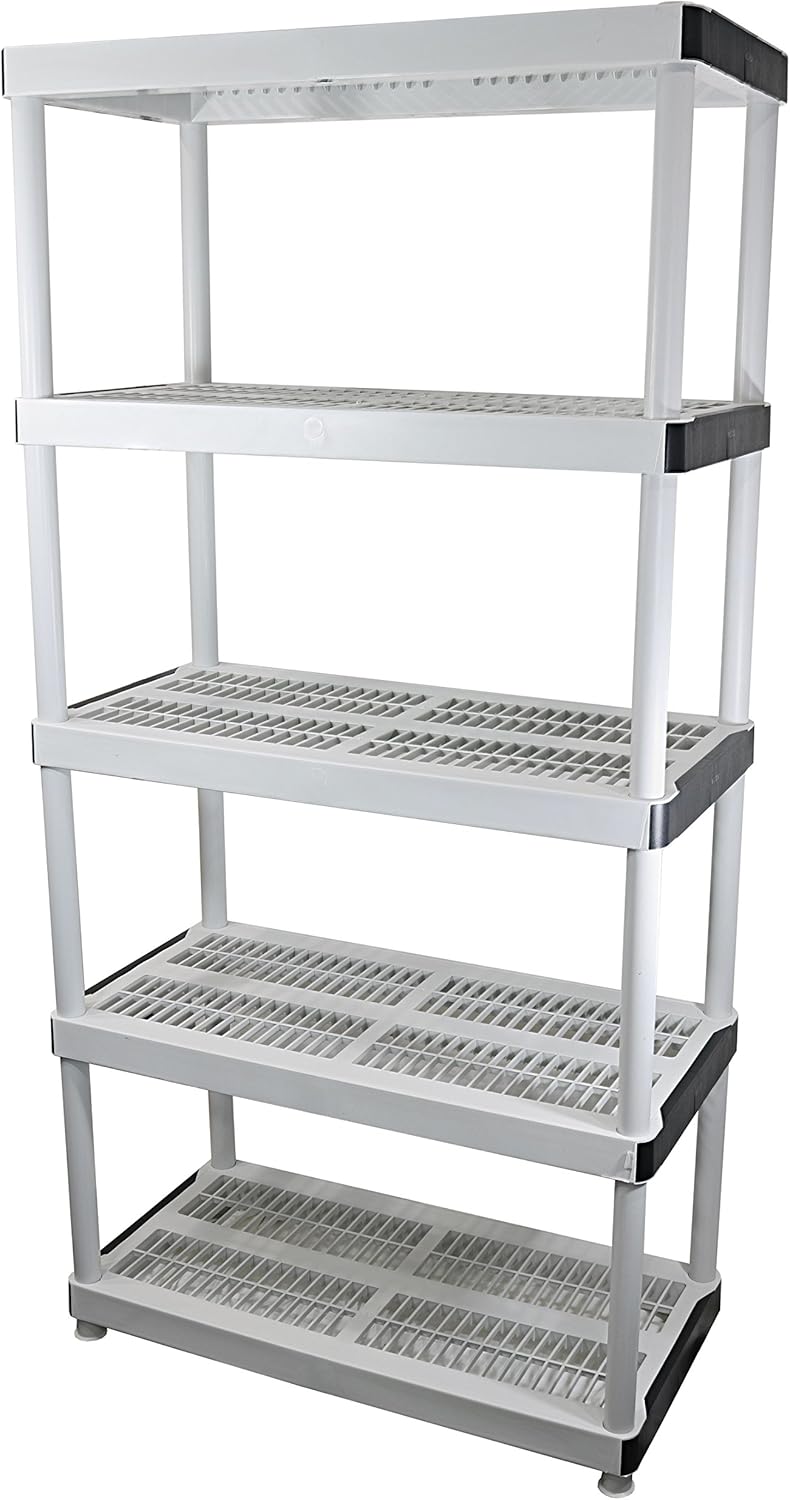
I've assembled more shelf units than I can count. The cheap ones all have the same problem. They sway. You load them up and they feel like they're going to fold in half. The HDX 5-Tier Plastic and Steel Shelving is a budget option that works, but it's not built for heavy loads. The 5-Tier Steel Wire Shelving is a step up. The bolts make a difference. The whole thing is stiffer.
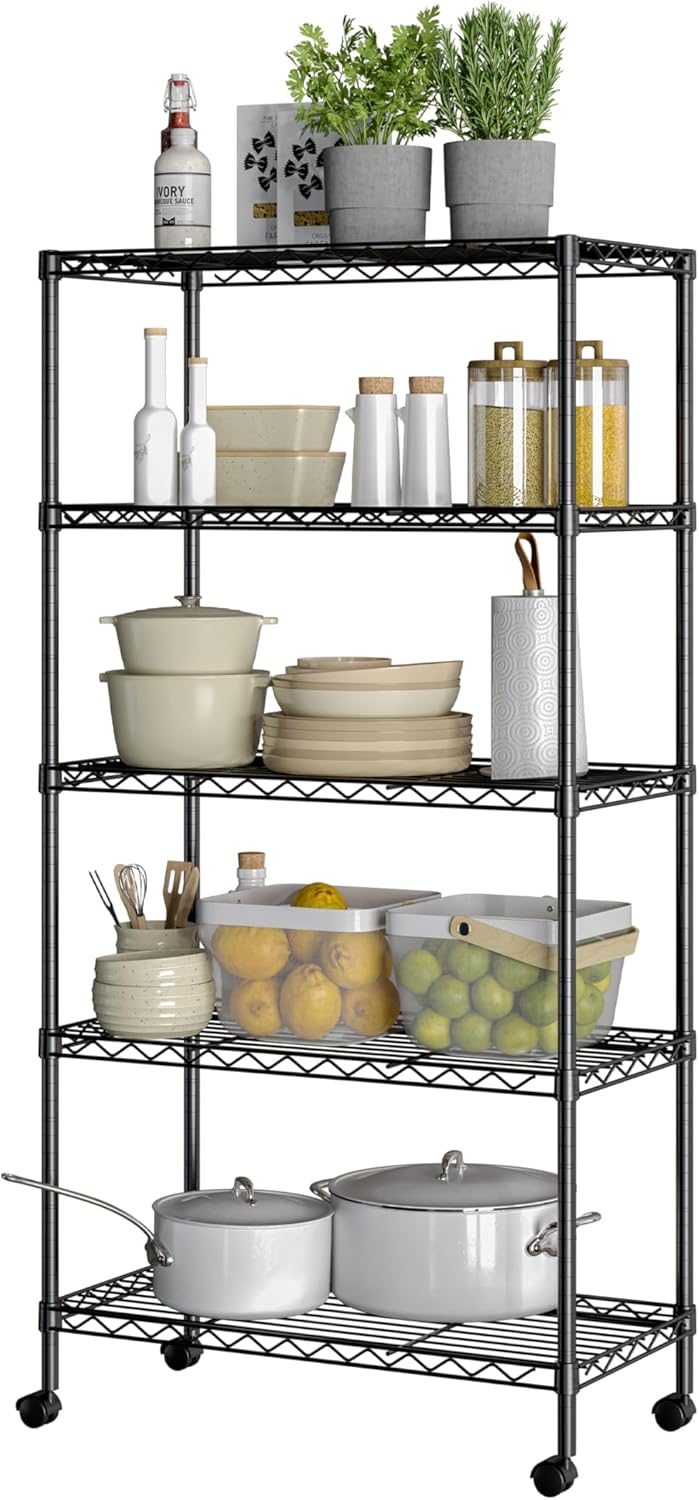
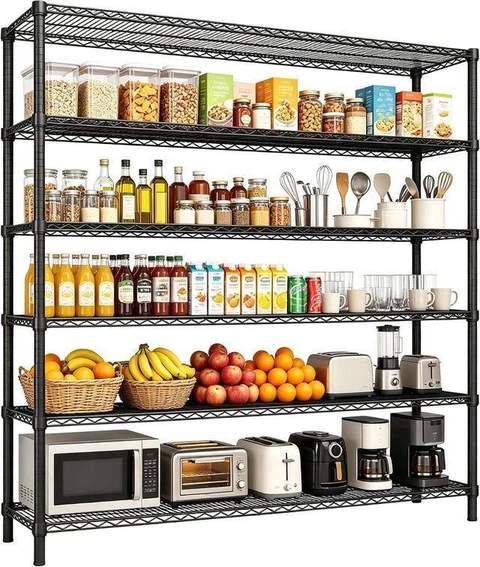
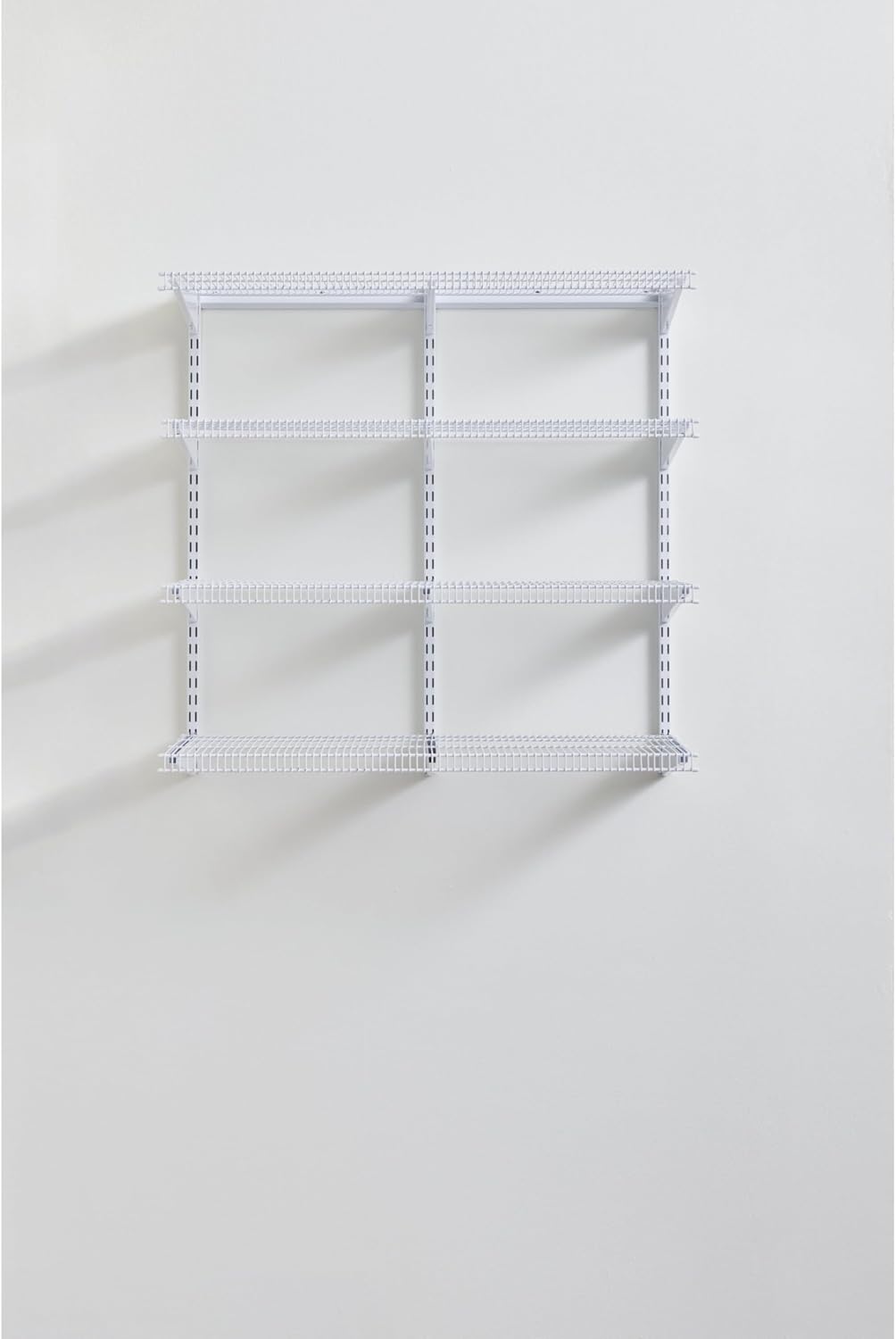
The Rubbermaid 5-Tier Steel Shelving Unit is the one I recommend if you're storing heavy stuff. It's more expensive, but the steel is thicker and the shelves don't flex. The Fleximounts 4-Wire Shelf is a different beast. It's a wire shelf, so it's lighter, but it's not meant for boxes of nails. I use mine for paint cans and lighter gear.
Mistake #6: Not Reading the Fine Print on Multi-Piece Products
This one gets me every time. The LBT 66" Garage Tool Organizer ships as four separate strips, not the one rail you expect. That means you're leveling each piece to the previous one. It's time-consuming, especially if your hands aren't what they used to be.
The included screws are hefty, and the hook options are plentiful. But the rubber pieces at the bottom of the hooks tear easily, and then your hooks go floppy.
One buyer reported the same thing. He mounted it in a bedroom for an electronics hobby room, not a garage at all, and said it held everything without wobbling. But he also mentioned the leveling issue. It's a good product, just deceptive packaging. Know what you're getting into before you start.
Mistake #7: Falling for the Budget Trap
The 27 Gallon Tote Storage Rack is the one I tell people to skip. It's budget-priced, and it shows. The knock-in connectors are a whack-a-mole nightmare. You hammer one in and the adjacent one pops out. The locking pins are tiny pieces of brittle plastic that don't even reach the bracket they're supposed to lock.
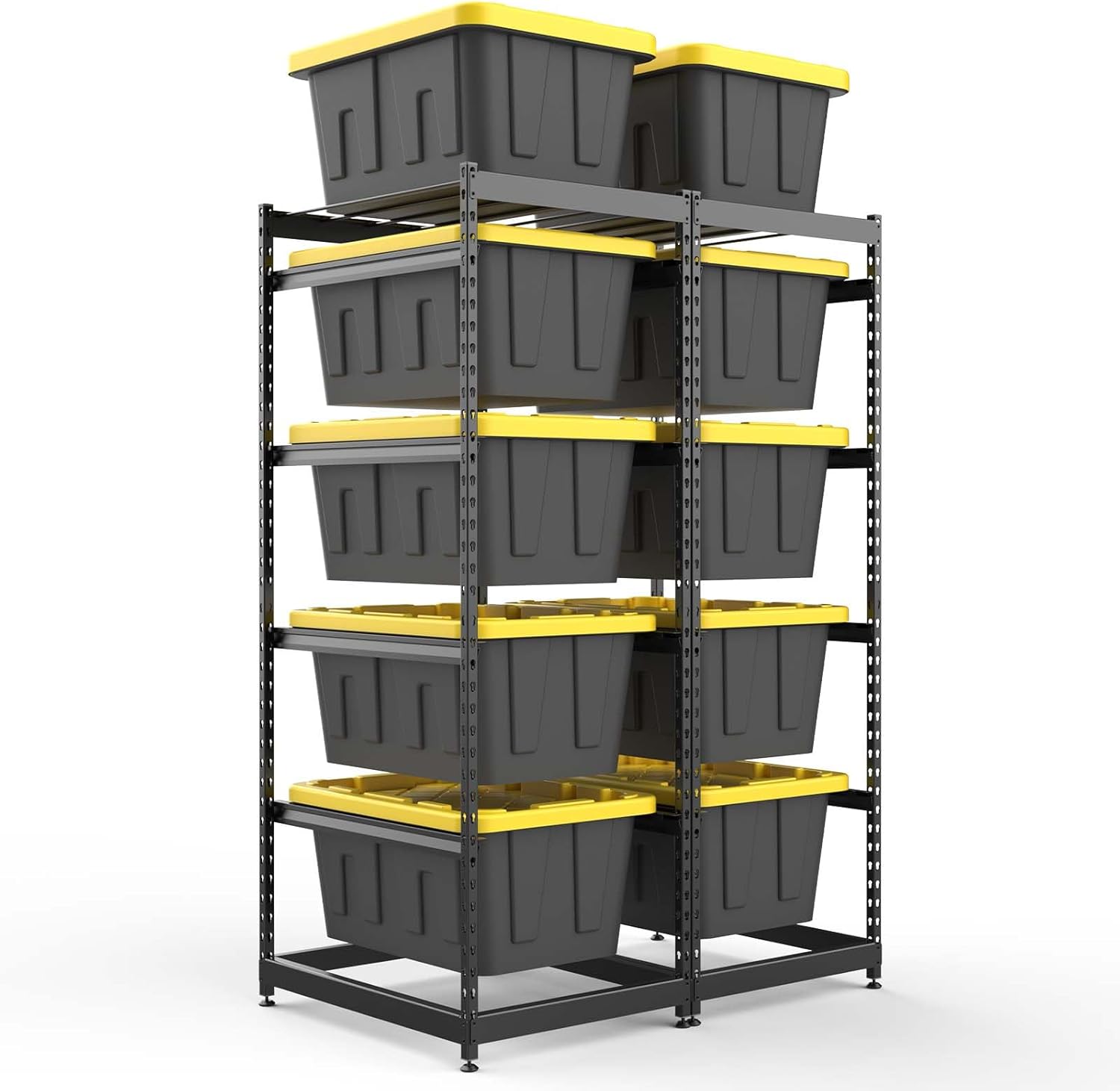
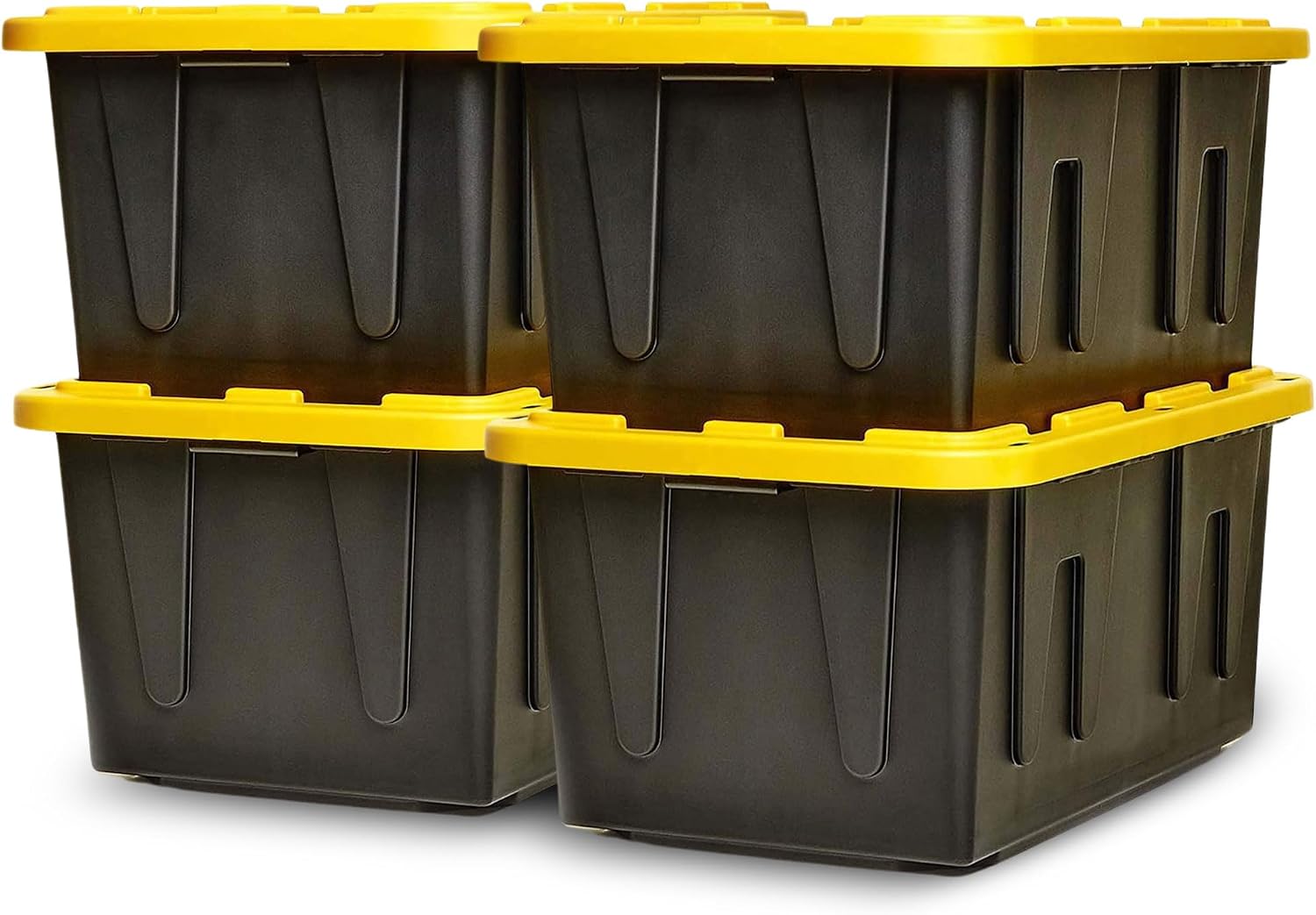
I used zip ties. Lots of them. Over twenty per shelf. It works, but it's ugly. The instructions are missing orientation details, the leveling feet fall off, and the whole thing sways even when fully assembled. The one nice thing is it fits Lowe's yellow top bins perfectly, and you can pull the totes out and open them without removing them from the rack. But that's not enough to save it.
Probably not worth the savings compared to other brands.
Should You Buy It?
If you're looking for a tote rack and you're on a tight budget, the FERO will hold your bins. But you'll be fighting it the whole way. Spend the extra money on something with real locking pins and better instructions. Your sanity is worth the difference.
What I'm Testing Next
I've got a new wall system from ProSlat coming in next week. I'm going to load it with my full tool chest and see if it holds up the way the marketing claims. I'll report back when I've got real numbers.