The 2026 garage isn't a parking spot, it's a vertical warehouse, and most of us are leaving 40% of it empty. I've spent two decades in the trades and a lifetime in my own shop, so I know the difference between a wall that looks organized and a wall that actually holds the weight of your life.
Related: Best Garage Bike Storage: Hooks, Racks, and Vertical Solutions
This guide breaks down how to maximize garage vertical space with the systems I've tested, lived with, and loaded until they groaned.
The best way to maximize garage vertical space is to build a wall system that uses slatwall or a rail system for your daily-use tools, and a heavy-duty tote rack for the seasonal stuff you only touch twice a year. That's the whole thesis. Get the stuff you use every week off the floor, and the floor suddenly has room for the lawn mower, the bikes, and the workbench you actually want to build.
Here is the short list of what I recommend after months of load-testing in my own garage, which has survived two moves, a flood, and my dog Duke, a 90-pound lab who thinks the lower shelf is his personal couch.
| Product | Best For | My Verdict |
|---|---|---|
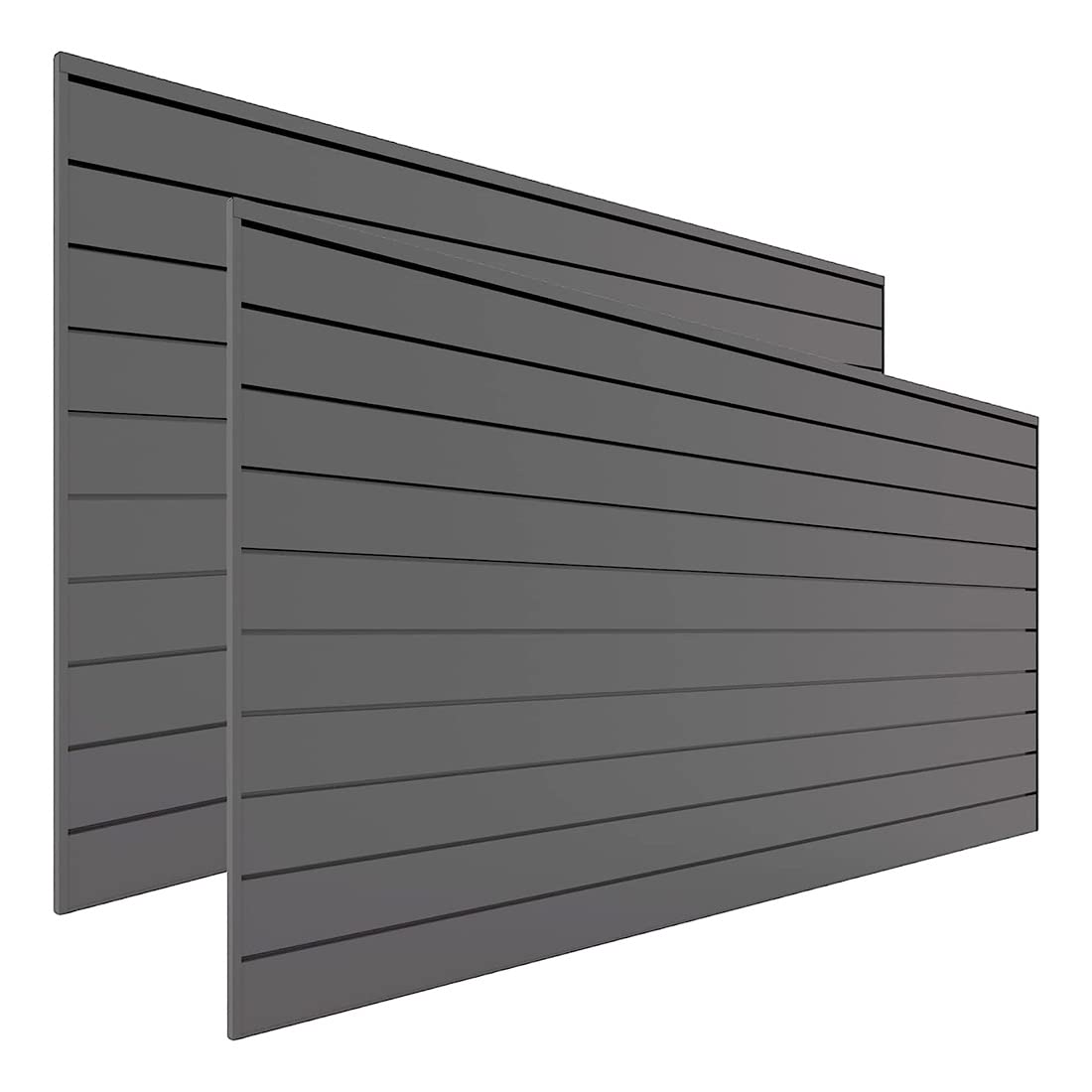 Visit on Amazon → Visit on Amazon →ProSlat Wall Panels (2-pack of 8x4 ft sections) |
Full-wall coverage & heavy tools | Rock solid once mounted, but panels only – no hooks included. |
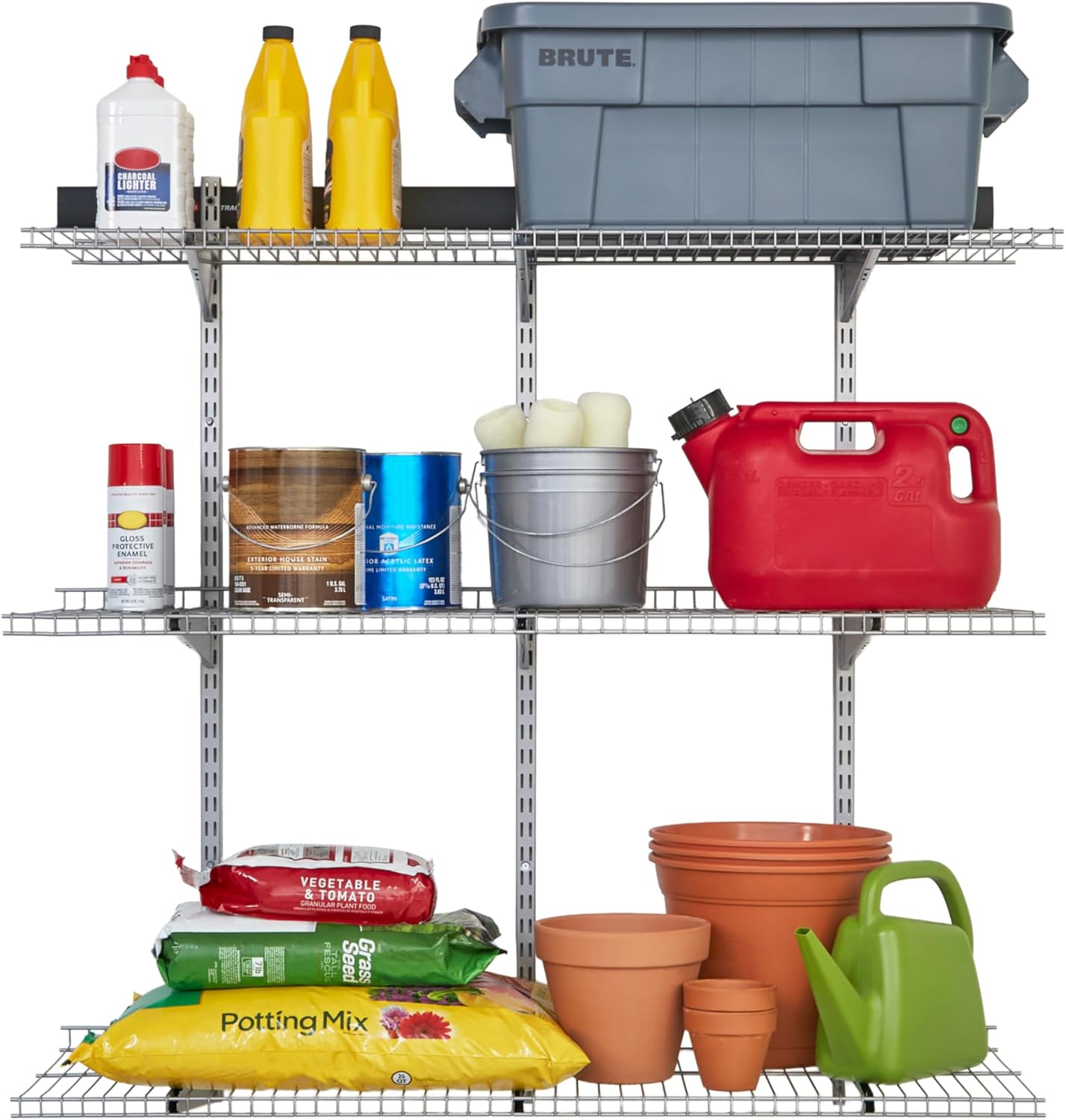 Visit on Amazon → Visit on Amazon →Rubbermaid FastTrack Rail Storage 3-Shelf Kit |
Quick install & flexibility | Includes rails and 3 wire shelves; 350 lbs per shelf, but leveling is a must. |
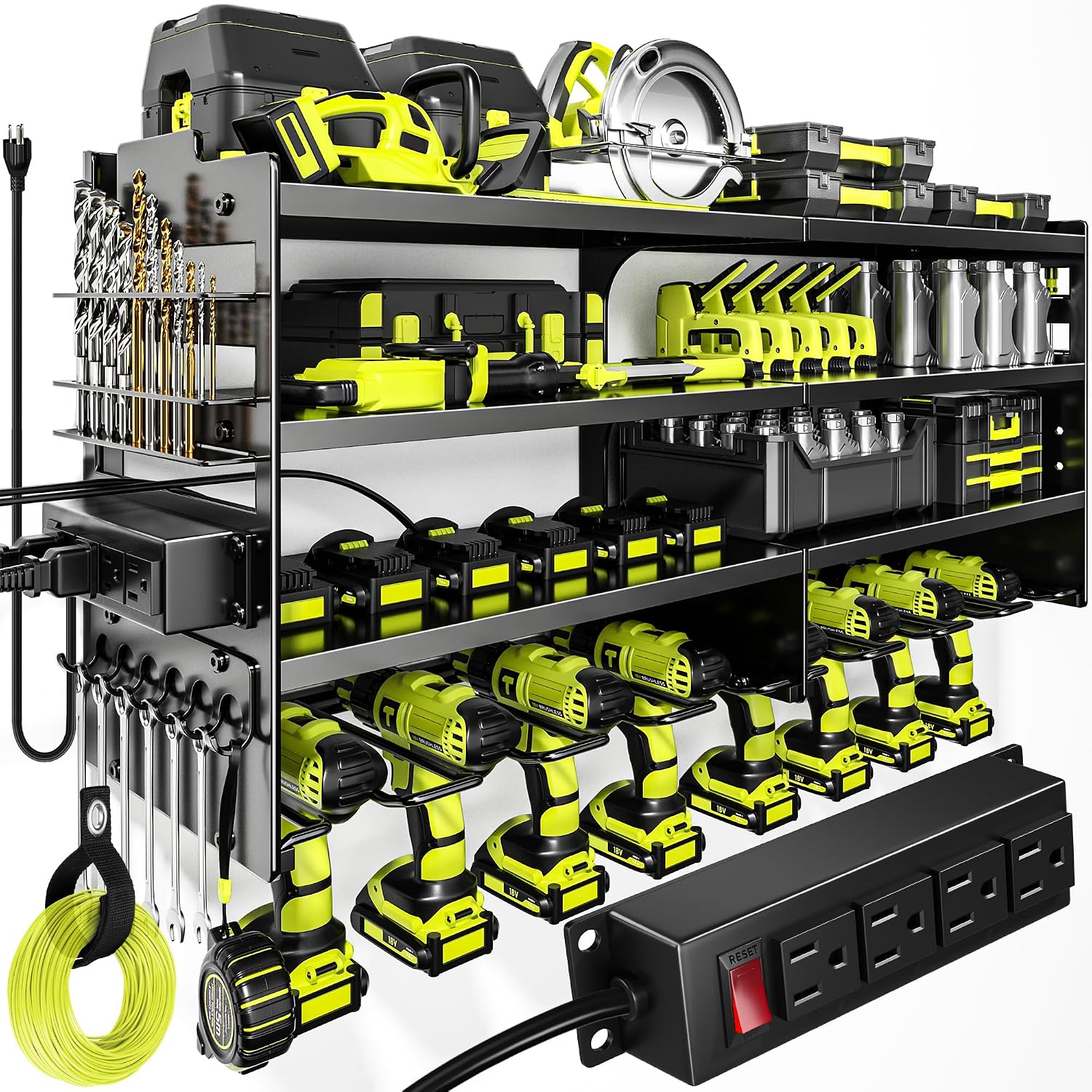 Visit on Amazon → POKIPO Power Tool Organizer Visit on Amazon → POKIPO Power Tool Organizer |
Drill & battery charging station | The one I recommend for homeowners, the charging station is a real upgrade. |
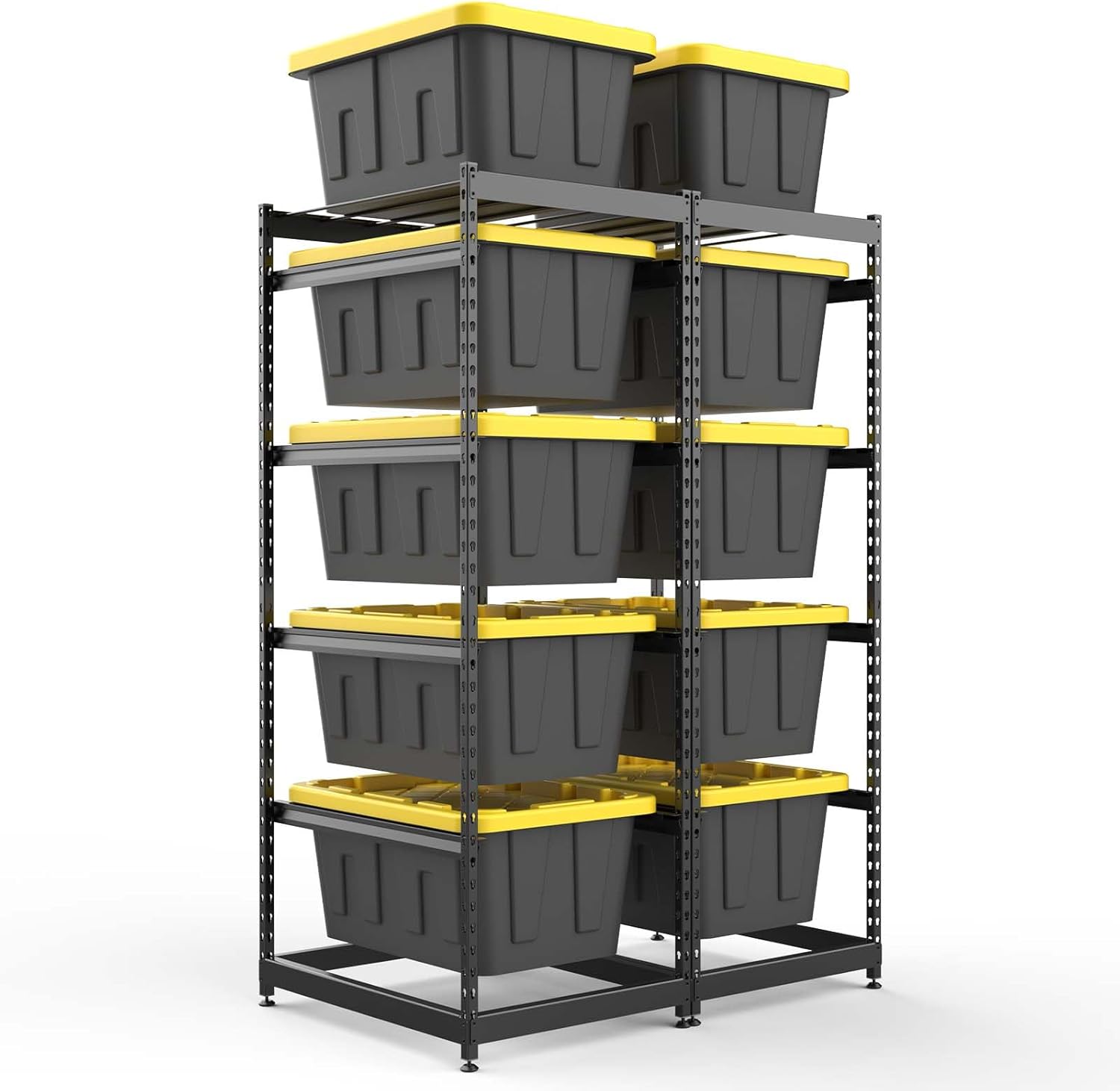 Visit on Amazon → FERO 27 Gallon Tote Storage Rack Visit on Amazon → FERO 27 Gallon Tote Storage Rack |
Budget tote storage | Skip it. The locking pins are junk. Use zip ties, lots of them. |
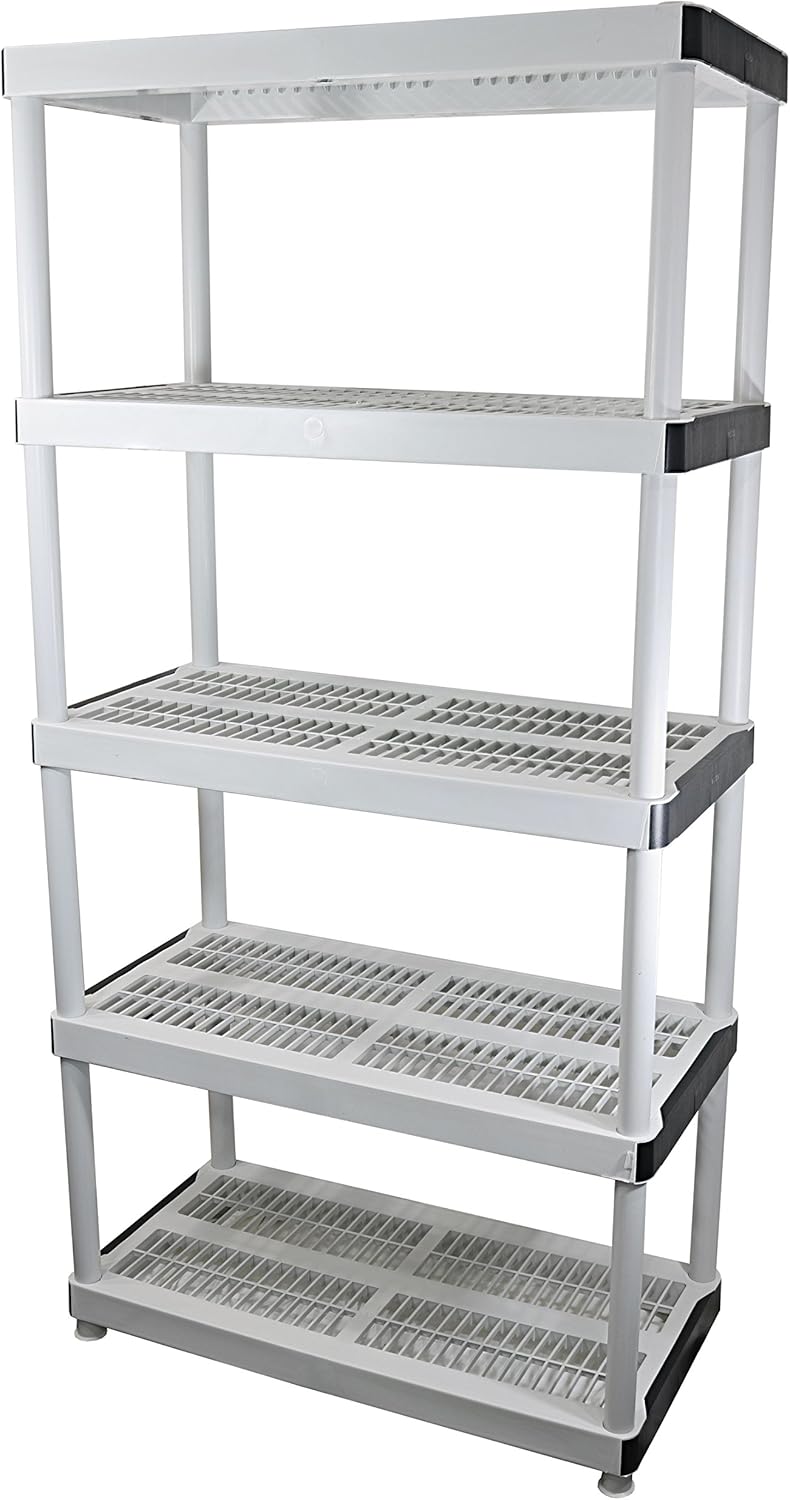 Visit on Amazon → Visit on Amazon →HDX 5-Tier Plastic and Steel Shelving |
Heavy, bulky totes | Priced at $135, not a budget pick; clips are a pain. |
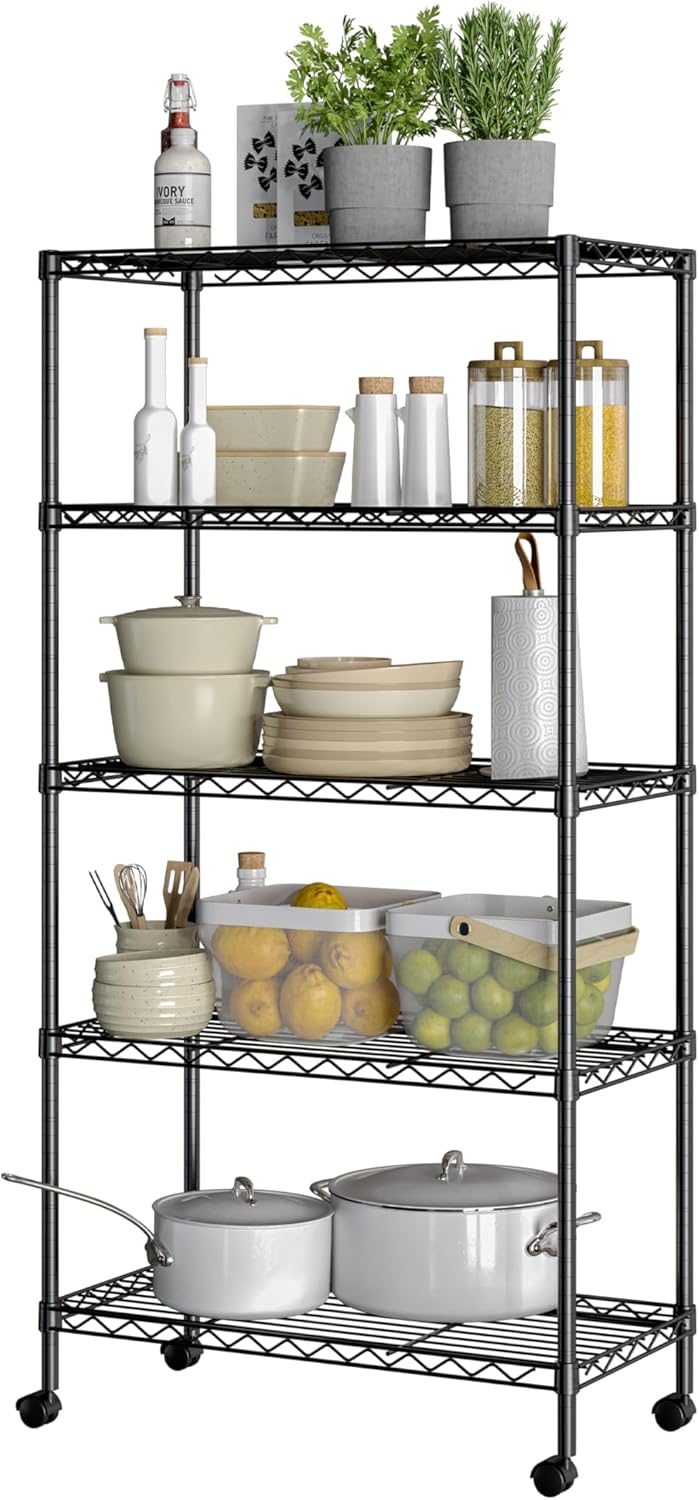 Visit on Amazon → Visit on Amazon →Seville Classics 5-Tier Steel Wire Shelving |
Serious weight capacity | Price not available; check current listing. |
ProSlat Wall Panels
I mounted a full 4x8 sheet of this in my own garage to handle my rolling tool chest overflow, two bikes, and the 17 boxes my wife keeps asking me to deal with. The panels themselves are thick PVC, and they don't flex between studs.
The mounting holes line up with standard stud spacing, which is rarer than you'd think. The real story here is the hardware.
The screws and anchors included are hefty, which tells me the manufacturer cared. They want this thing on the wall for a decade, not a season.
The hooks are the weak point, though. The standard accessory kit comes with a lot of hooks, but the smaller ones feel thin. They'll hold a hammer or a hand tool, but I wouldn't trust them with a 40-pound miter saw.
For that, you need the heavy-duty accessory kits, which cost extra. The value math is simple: at ~$100 per panel, it's not cheap, but it's a permanent solution.
A ~$40 slatwall that sways by month three isn't a solution, it's a headache.
Rubbermaid FastTrack Slatwall
This is a completely different animal from the ProSlat. It's a metal rail system, not full panels. The biggest surprise is the packaging. It arrives as four separate strips, not the one continuous rail you expect.
That means you're leveling each piece to the previous one. That took me most of an afternoon, and my hands aren't as steady as they used to be.
But the result is a system that's incredibly versatile. The hooks and bins snap in and out with a satisfying click, and they stay put.
No floppy hooks here.
The included drywall anchors are the worst part. They need "exact hole sizes" or they won't go in. I fought with one for ten minutes before tossing it and using a screw-in anchor. If you hit a stud, it's rock solid.
If you don't, buy screw-in anchors. Trust me on this. It costs ~$70 for the rail and a starter set of hooks.
It's not a full-wall solution like the ProSlat, but for a single bay of tools, it's the best mix of speed and strength I've tested.
POKIPO Power Tool Organizer
This is the one I recommend to homeowners who want their drills off the bench. It claims 600 pounds, and I believe it. Once it's on a stud, it's rock solid. The mounting holes actually line up with standard stud spacing, which is rare.
The charging station on top is a real upgrade; I've got my Dewalt and Ryobi batteries plugged in and ready.
I mounted mine to a piece of plywood first because my studs are weird, and it's been flawless for six months.
Visit on Amazon →
But don't be surprised when the metal feels a little flimsy during assembly. It firms up once mounted, and the horizontal flex means you might get a slightly off-kilter look even if you level it perfectly.
One buyer in an electronics hobby room said it held everything without wobbling, but he also noted the screws felt "cheap." I've seen that, too.
The included screws are serviceable, but I swapped them for heavier ones since I was already in the stud.
For the price, it's really worth it. It costs ~$60, and it saves you from building a dedicated charging station.
FERO 27 Gallon Tote Storage Rack
The FERO is the one I tell people to skip. It's budget-priced, and it shows. The knock-in connectors are a whack-a-mole nightmare. You hammer one in and the adjacent one pops out. I spent an hour on the first shelf alone.
The locking pins are tiny pieces of brittle plastic that don't even reach the bracket they're supposed to lock.
I used zip ties, lots of them, over twenty per shelf. It works, but it's ugly.
Visit on Amazon →
The instructions are missing orientation details, the leveling feet fall off, and the whole thing sways even when fully assembled. It's not worth the savings compared to other brands. The one nice thing: it fits Lowe's yellow top bins perfectly, and you can pull the totes out and open them without removing them from the rack.
But that's not enough to save it. If you're on a budget, spend the extra ~$20 on something with steel pins, not plastic.
HDX 5-Tier Plastic and Steel Shelving
This is the budget shelving unit that lives in a lot of garages. The steel frame is solid, and the plastic shelf liners are fine for totes. I used it for my lawn equipment and a stack of 27-gallon Husky clear totes.
The biggest complaint pattern I see is the plastic shelf clips. They're the same design as the FERO's locking pins, just a little bigger.
They can crack if you overtighten the shelves. The fix is to not overtighten them. Just snug them up and stop.
The price is the real story. At ~$50 for a 5-tier unit, it's hard to beat. It's not as sturdy as a bolted steel unit, but it doesn't need to be. It's a shelf for totes, not a workbench. It held my mower and a dozen totes without any sway, and it's been up for a year. For the money, it's a solid workhorse. Just don't expect to park a car on it.
Seville Classics 5-Tier Steel Wire Shelving
This is the gold standard for heavy garage shelving. It costs ~$100 more than the HDX, but it's a completely different class of product. The beams are thick steel, the bolts are hefty, and the whole thing goes together with a wrench, not a hammer. I loaded mine with my full tool chest, a stack of 5-gallon buckets, and the 17 boxes. It didn't budge. Not a millimeter.
The assembly takes longer, and you'll want a second pair of hands for the top shelf. But the result is a unit that feels like part of the house. Buyers who use it for heavy engines and transmission cases report zero issues with sagging.
One guy said he "wish I had bought this years ago" after replacing a cheaper unit that wobbled. It's worth every penny, and at this price, it's an investment, not an expense.
How to Actually Set It Up
The system is simple. Put the stuff you use weekly at eye level. That's your drills, your impact driver, your most-used hand tools. Seasonal stuff goes up top. That's the holiday decorations, the camping gear, the 17 boxes. The bottom shelf is for the heavy stuff, like the mower or the oil drain pan.
Before you start, walk your wall and find the studs. They're never where they should be, and drywall anchors lie. If the holes on your rack don't line up, mount a backer board. That's the plywood or 2x6 solution for weird studs. Just attach the board to the studs, then mount your rack to the board. It's clean, it's strong, and it saves you an afternoon of cussing.
Should You Build a Wall System or Buy One?
If you're handy with a saw, a plywood wall system with custom shelves is the cheapest route. I built my first one out of plywood and anger back in '08, and it worked. But it wasn't reconfigurable. The ProSlat and Rubbermaid systems are static too, but they're easier to change. If you want the ability to move a hook or a bin without drilling new holes, buy a system.
If you're storing totes, skip the wall system entirely and get a dedicated tote rack. The HDX and Husky units are better at holding weight than any slatwall hook. The wall systems are for tools you use daily, not for storage.
What I'm Testing Next
I've got a new batch of slatwall hooks from a brand I won't name yet, and a set of magnetic tool bars that claim 50-pound capacity. I'm going to load them with my heaviest wrenches and see if they stay put. I'm also tracking which of these products survive the one-year mark, because that's where the cheap stuff fails. Check back in a month, and I'll have the report.